Our Story
The Beginning
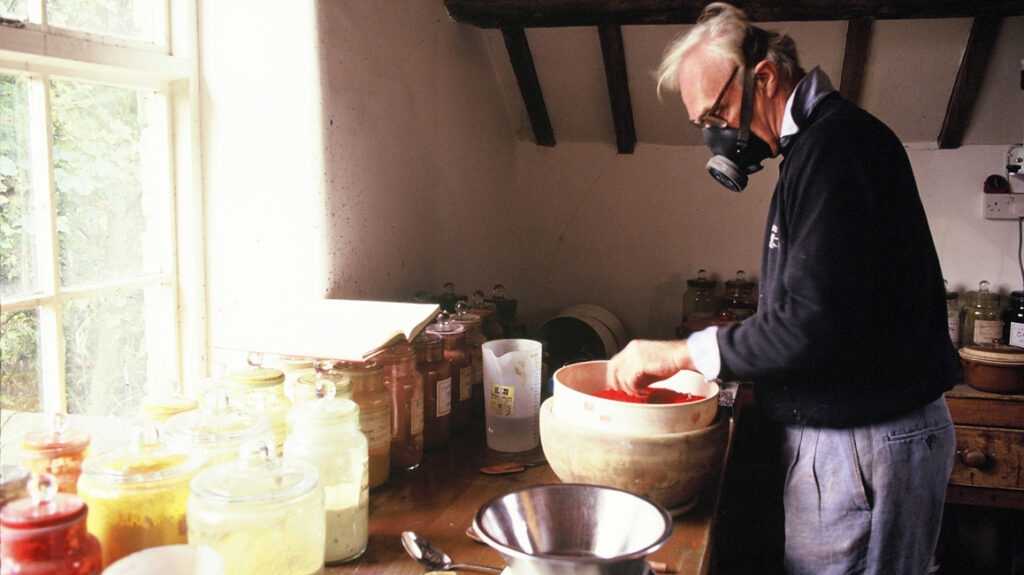
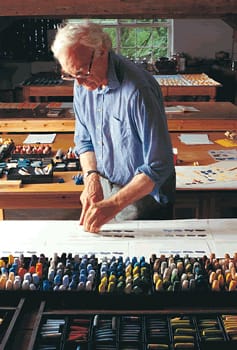
John Hersey was born in 1925. He was a student at the Byam Shaw School of art in London where he won a Rome Scholarship and lived in Italy for several years.
On returning to the UK he ran his own business ‘Fine Art Photography’ while continuing with his own work. Over the years he became more and more interested in, and passionate about, colour.
He spent many years experimenting and refining recipes to create the perfect soft pastel.
Colour Vision
Manufactured pastels available on the market broke easily, were not consistent in texture and did not mirror our requirements for the perfect pastel.
For several years John worked on methods of production, colour sequences and the texture of his pigment mixtures. He fine tuned his many recipes and the soft pastels that you know and love today, were created.
Unison Colour is Founded
In 1987 the results of John’s many years of experimenting and perfecting the perfect pastels were offered to fellow pastellists.
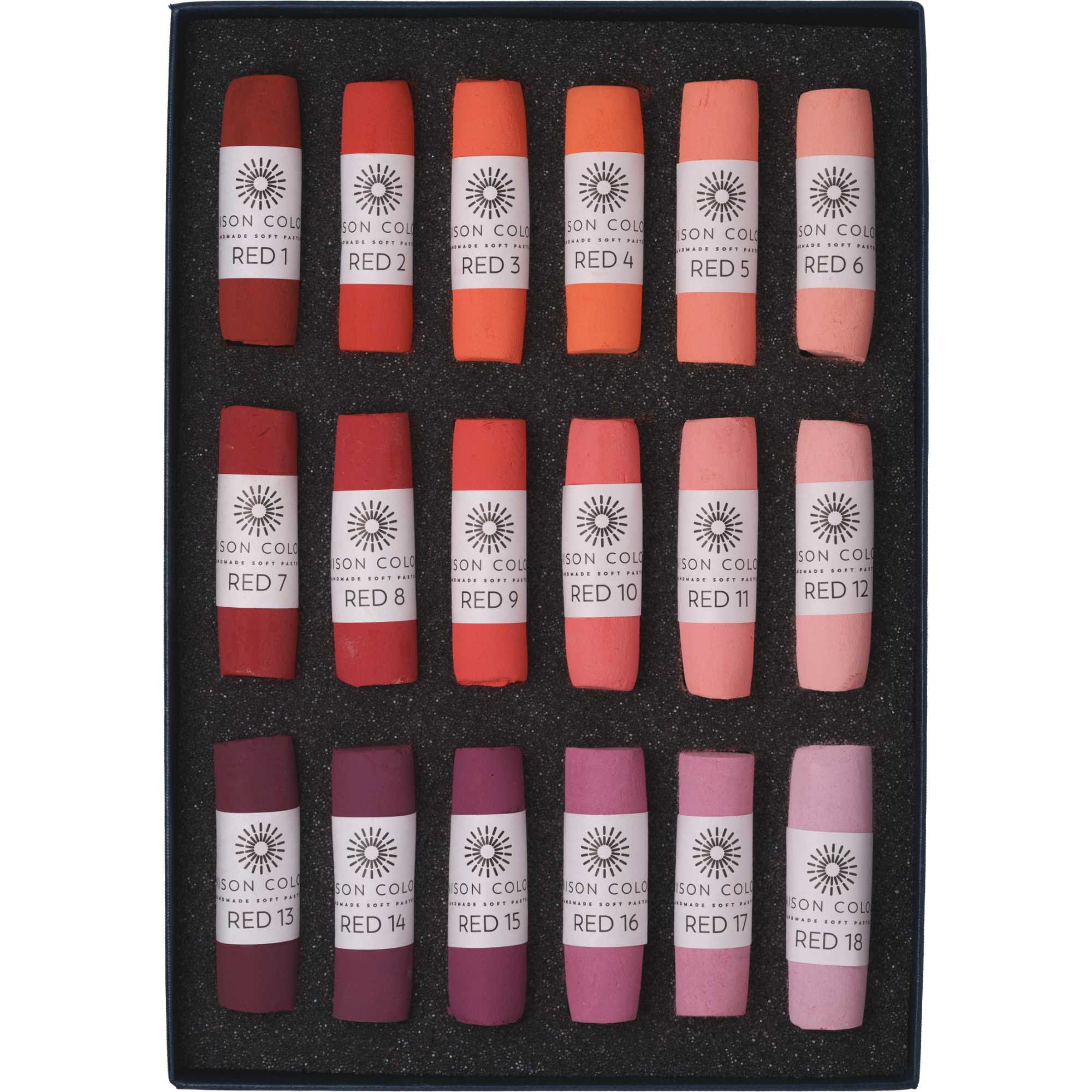
Although the original range of colours was just 117 pastels, they were displayed at an art materials show in London and gained immediate interest. From that moment, the Unison Colour story began and the business was founded.
Signs of Growth
To start with, the pastels were all made in the coach house at Thorneyburn in the Northumberland National Park. This served as a great base from which to grow.
It allowed time to refine the pastels, develop new lines and increase the pastel base from 117 to 380 pastel colours.
As the years progressed, sales grew nationally and the Unison Colour brand continued to grow and be recognised by artists as the preferred pastel of choice.
International Recognition
Eventually, sales expanded into Europe. USA, Canada, and Australia followed a few years later.
The Unison Colour brand developed worldwide recognition. It became the gold standard of soft pastels and cemented the brand amongst the art community.
Working with Artists
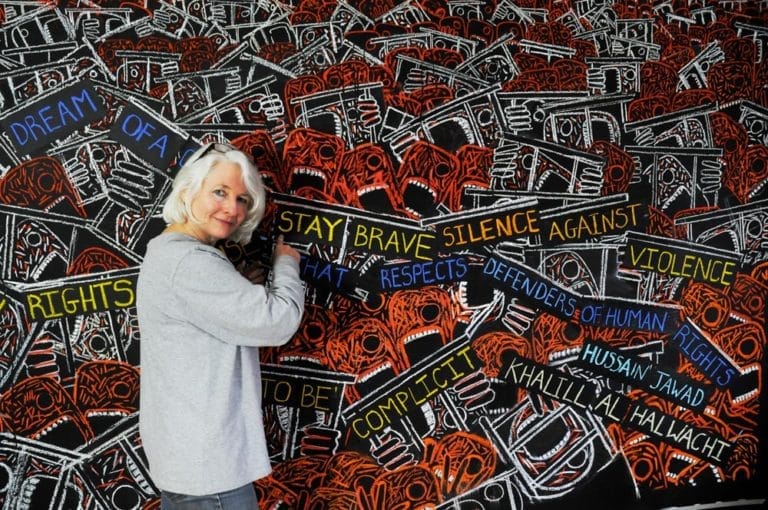
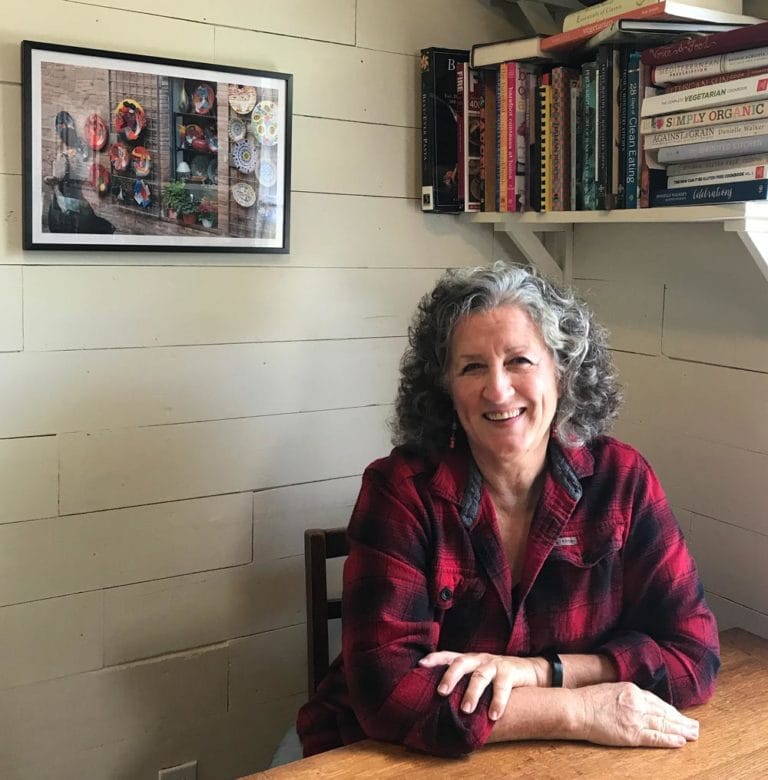
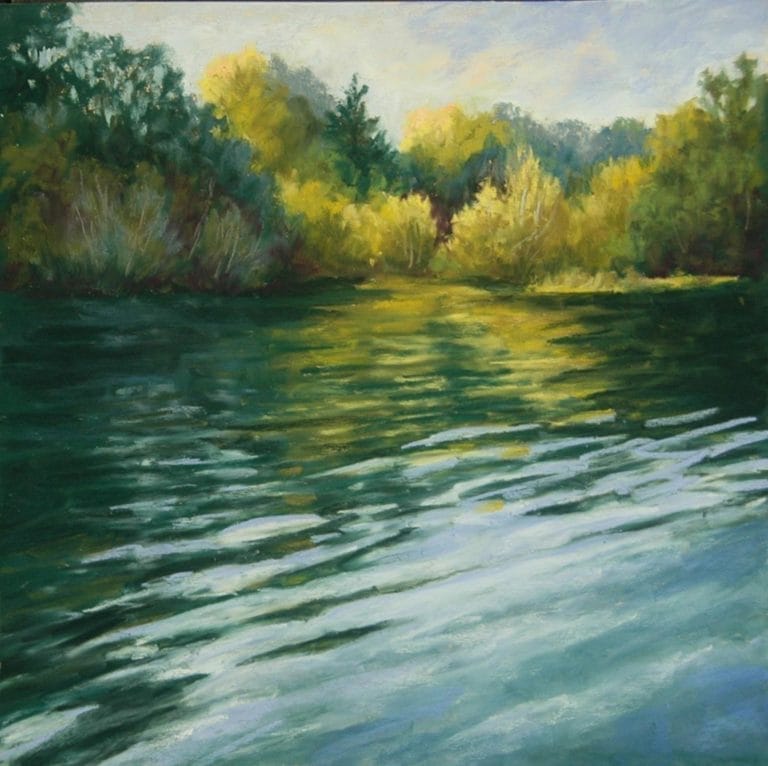
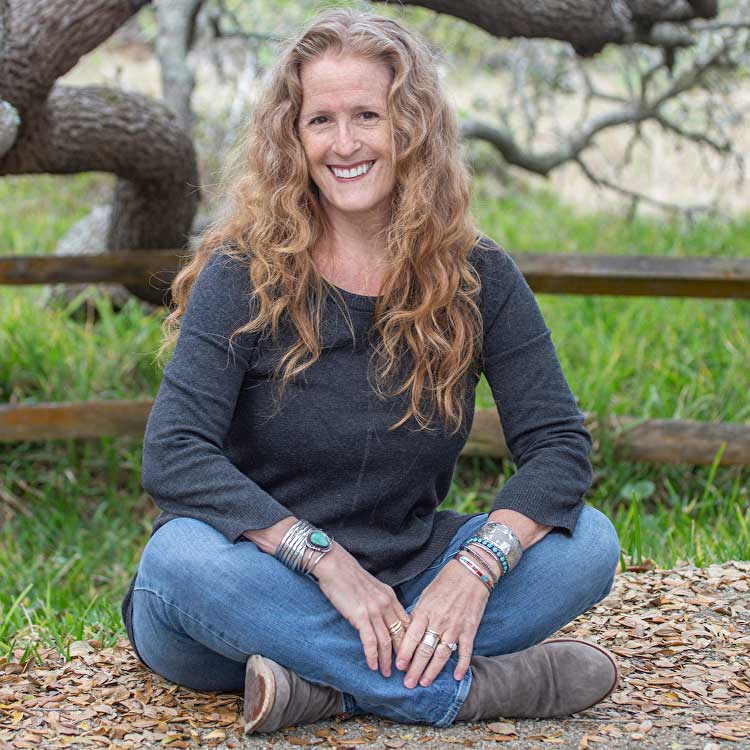
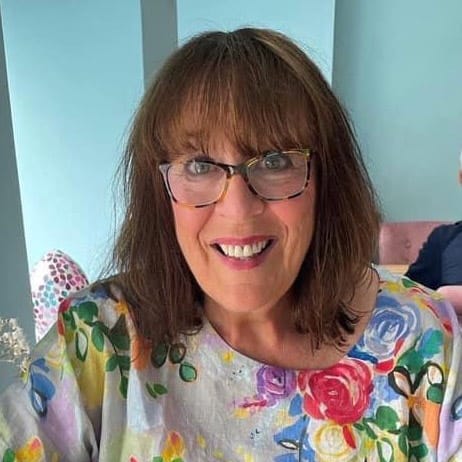
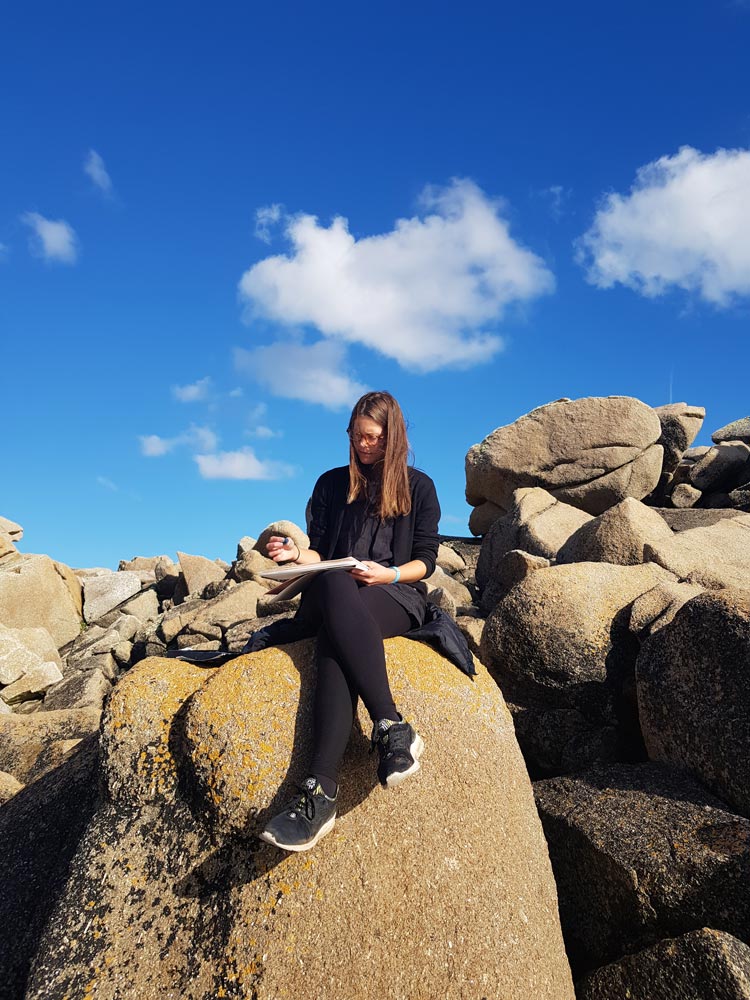
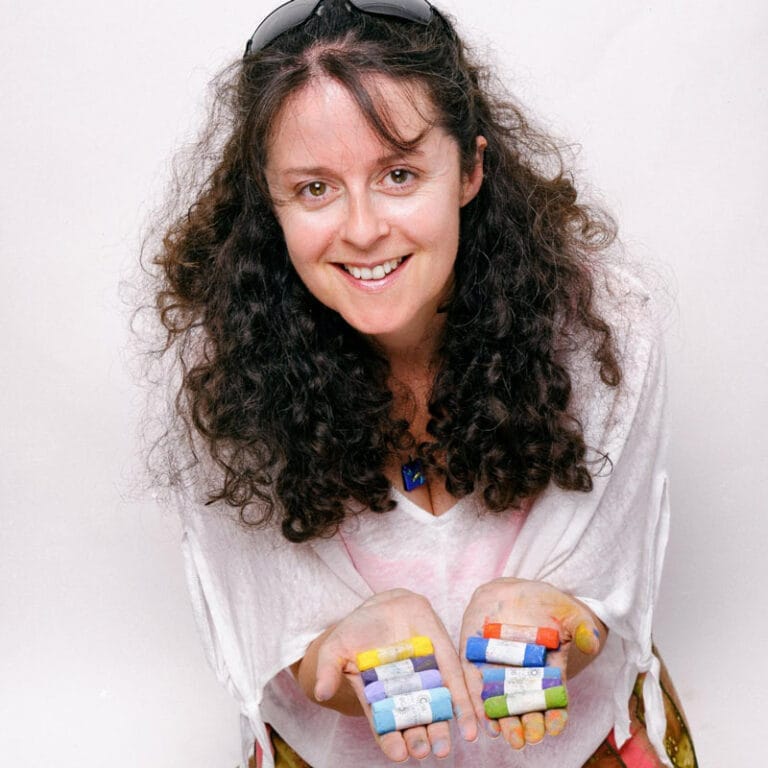
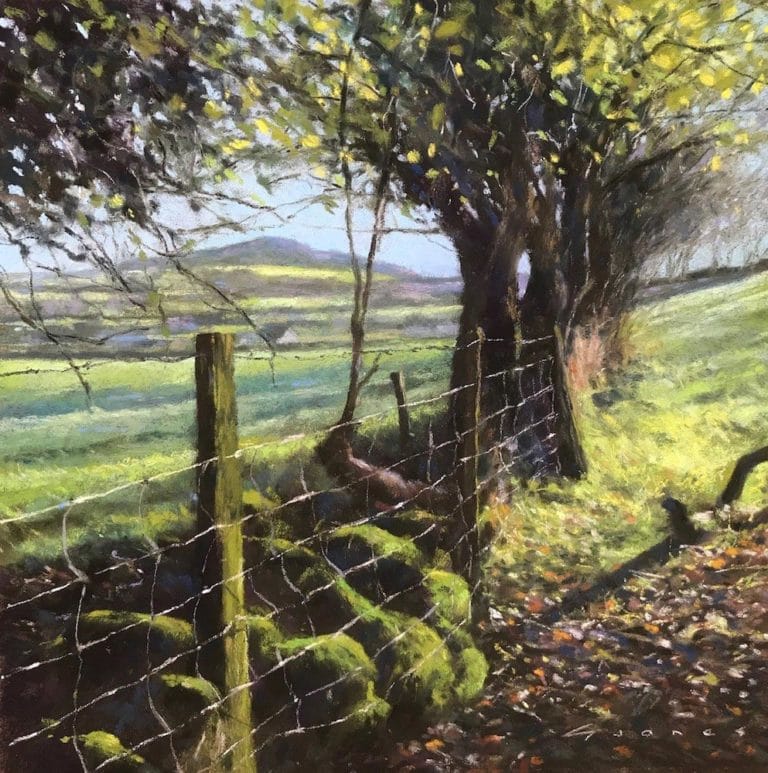
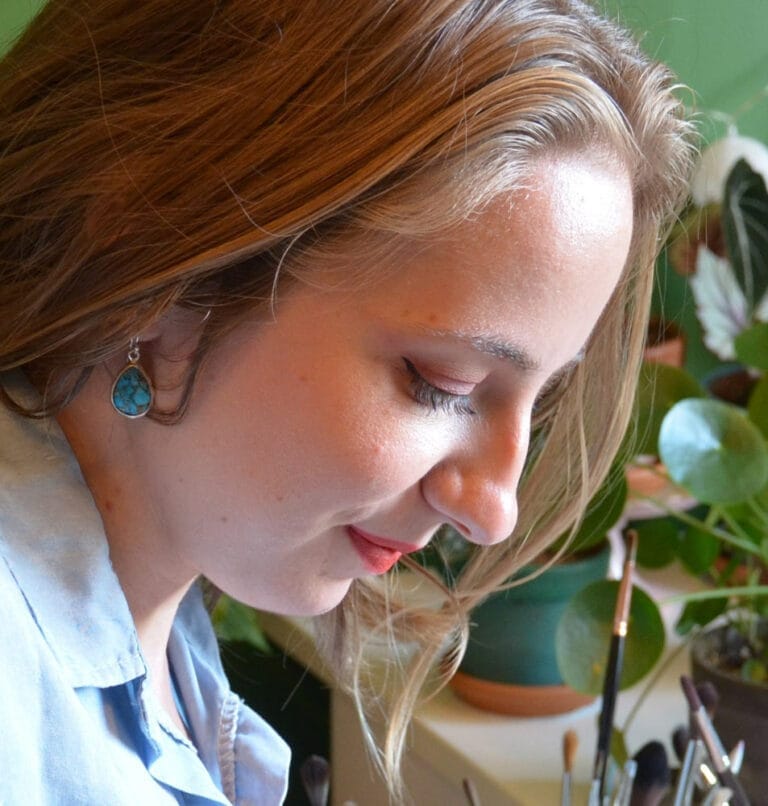
The quality of our pastels attracted the attention of an array of artists, many of whom run workshops which highlight the benefits of using our pastels over alternatives.
We have developed a long standing partnership with those artists who help promote our products and help fine tune our recipes to make them the very best in the world.
In 2017 we launched our Associate Artist Programme. The programme continues to grow and now contains over 200 artists from around the world.
"With all the obvious limitations, the sets are constructed so they can been seen as separate colours, or as a movement around a centre and as a unity, a unison, their differences dissolved. That is what these colours are about, to help realise beauty."
John Hersey
Find out more
What makes Unison Colour Soft Pastels so special?
Now you know our history, what do you know about our process?
Blendable
Lightfast
Mixed Media
Soft and Smooth
Highly Pigmented
Flexible