

About:
I’m an amateur artist with a passion for pastels.
I have a full-time desk job, an ‘energetic’ family and too many outdoor hobbies to mention – but when I need to relax – it’s the soft pastels I reach for.
Over the years, I’ve experimented with almost every medium – and with most styles, but nothing pulls me to the easel more than my pastels.
Sometimes it’s the lure or those pure pigments, other times it’s the immediacy of the medium itself – the potential to complete a painting in one, single, fast-flowing session.
When I can grab just an hour in my studio – normally late in the evening, I love the fact that with pastels I’m free from the delays that go with preparing a palette of paint. So if I’m inspired by a memory, a photo, an abstract idea – within minutes I can be deep into a pastel painting, enjoying that moment.
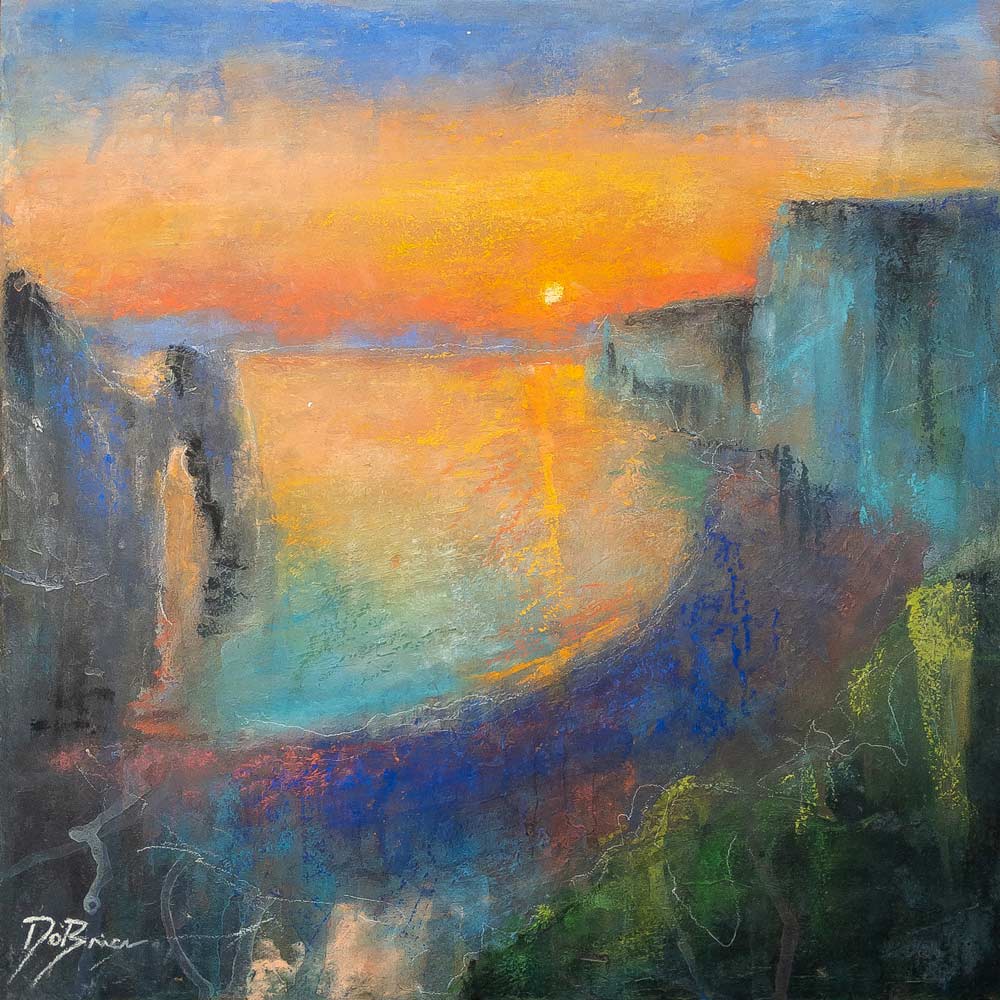
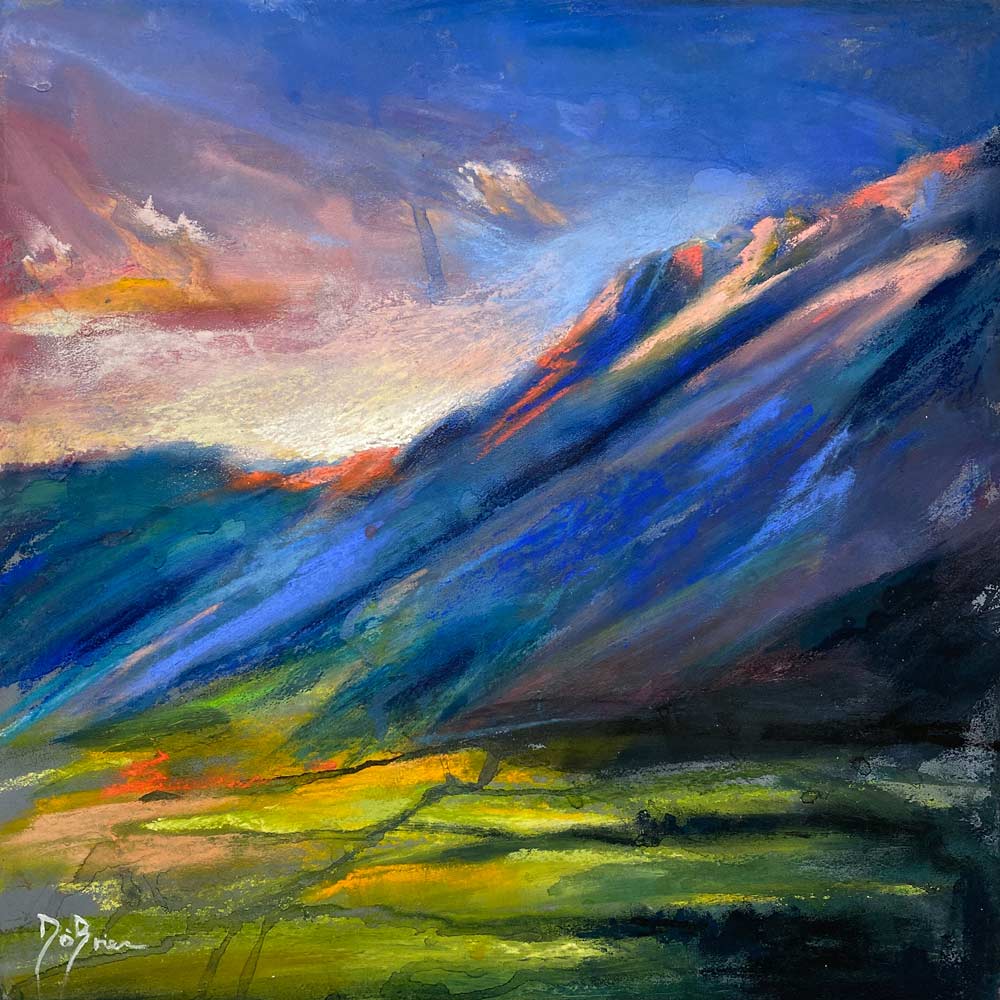
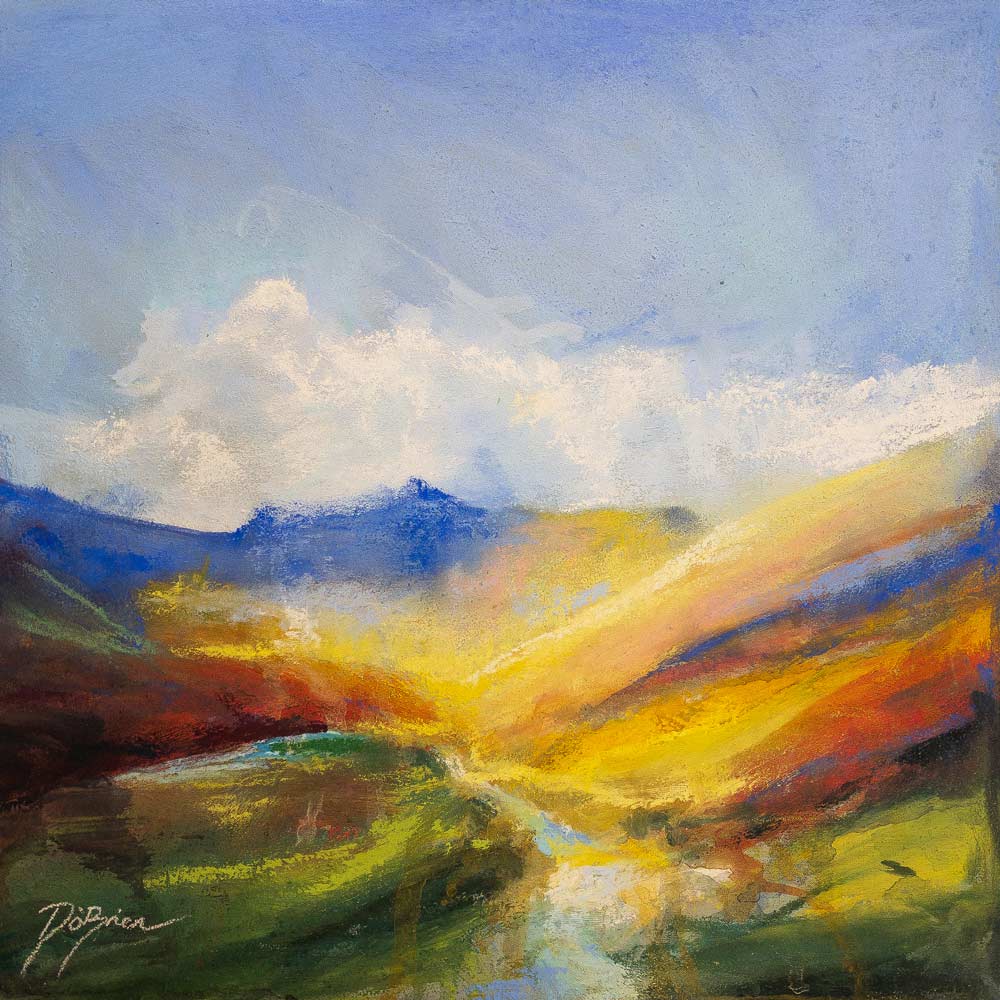
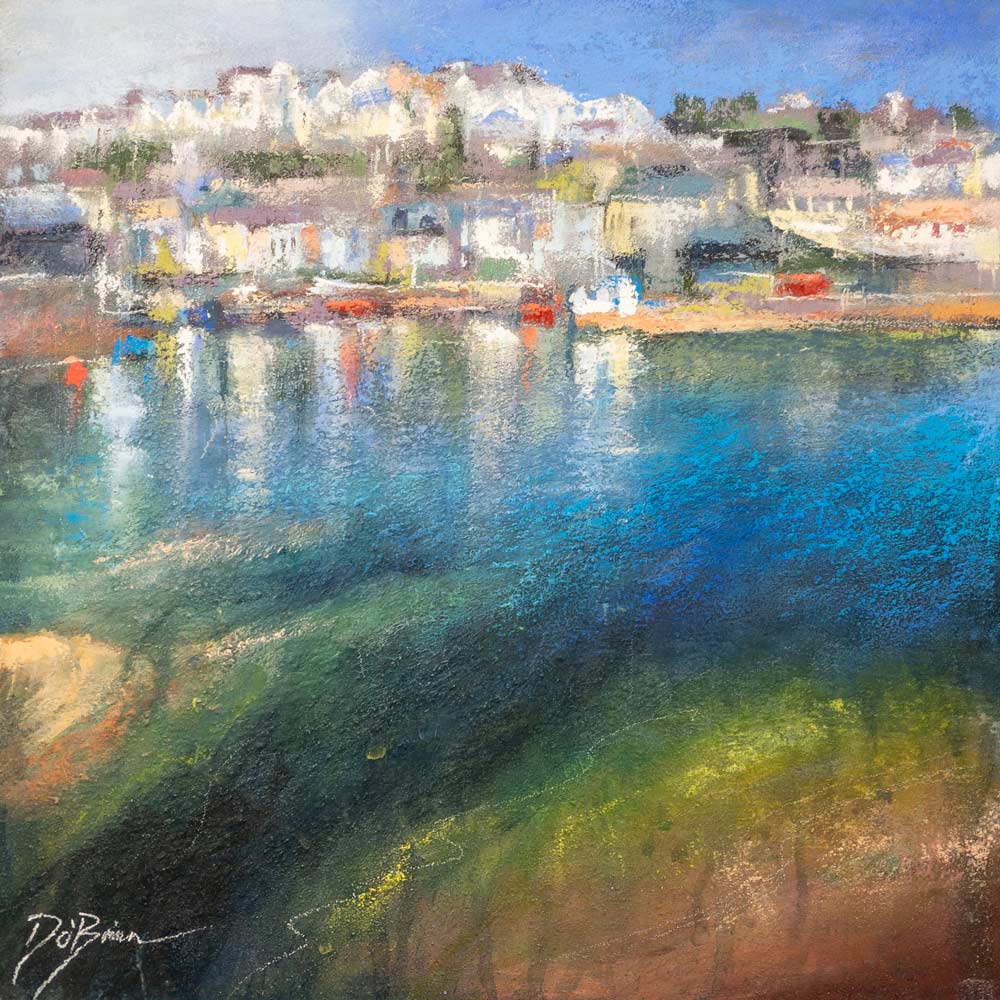
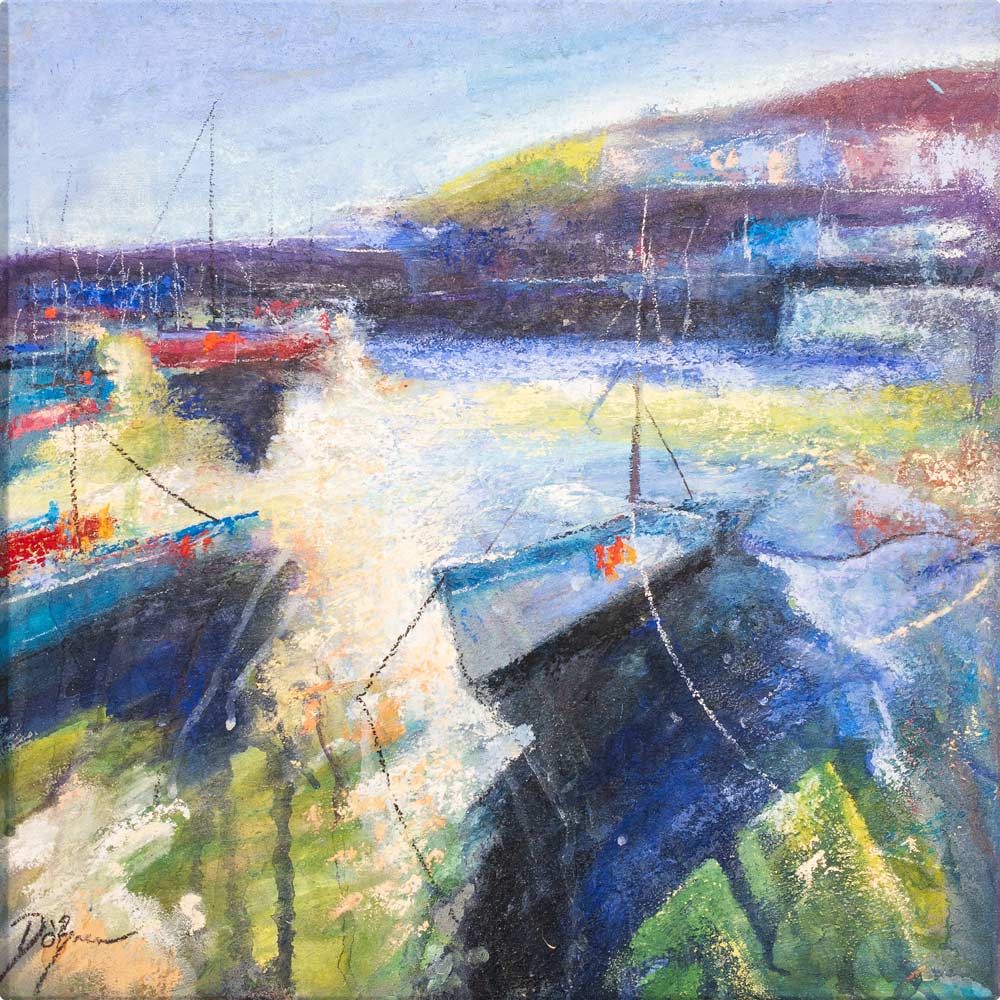
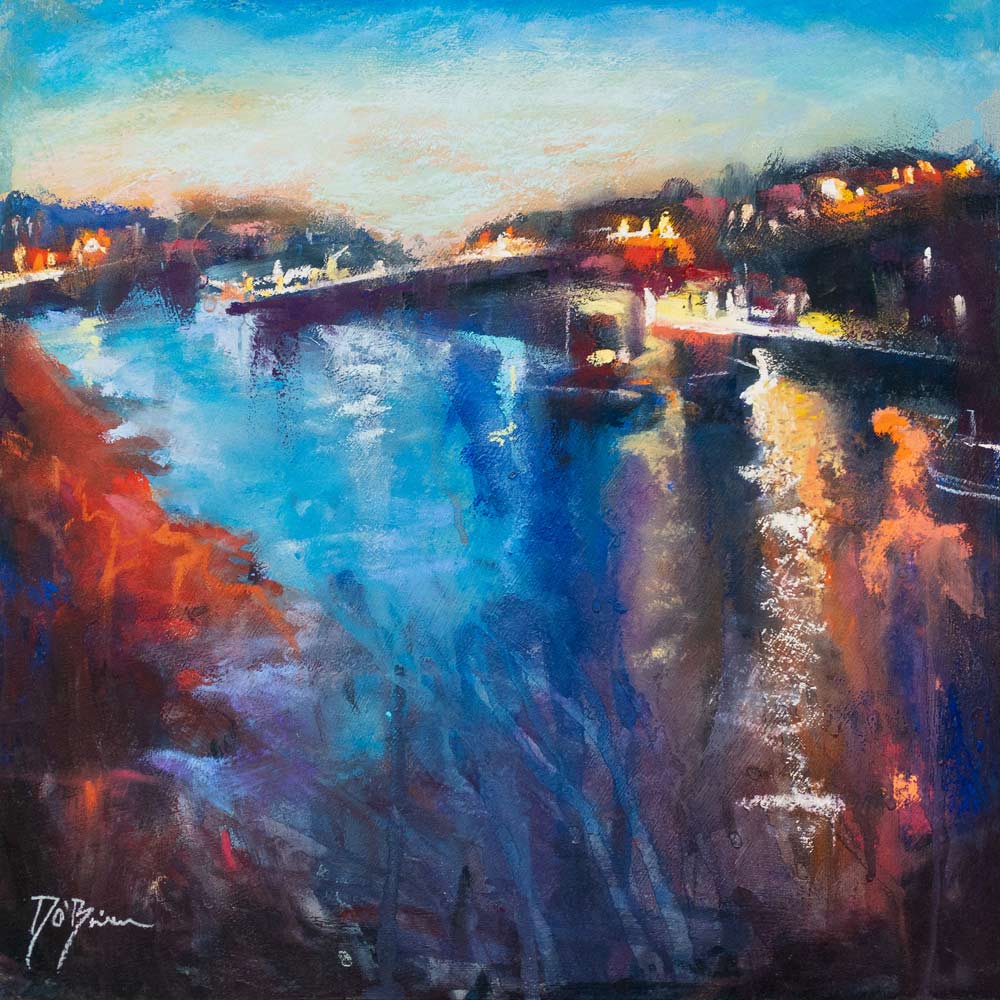
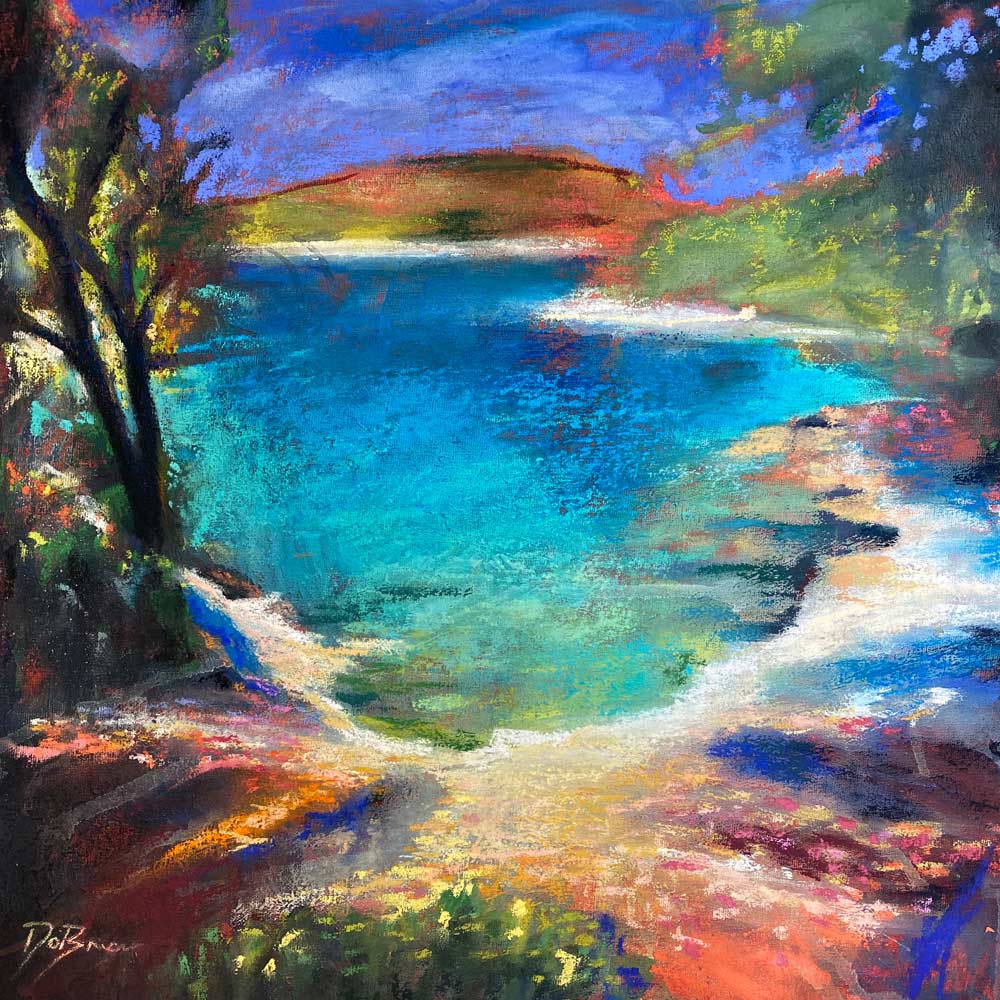
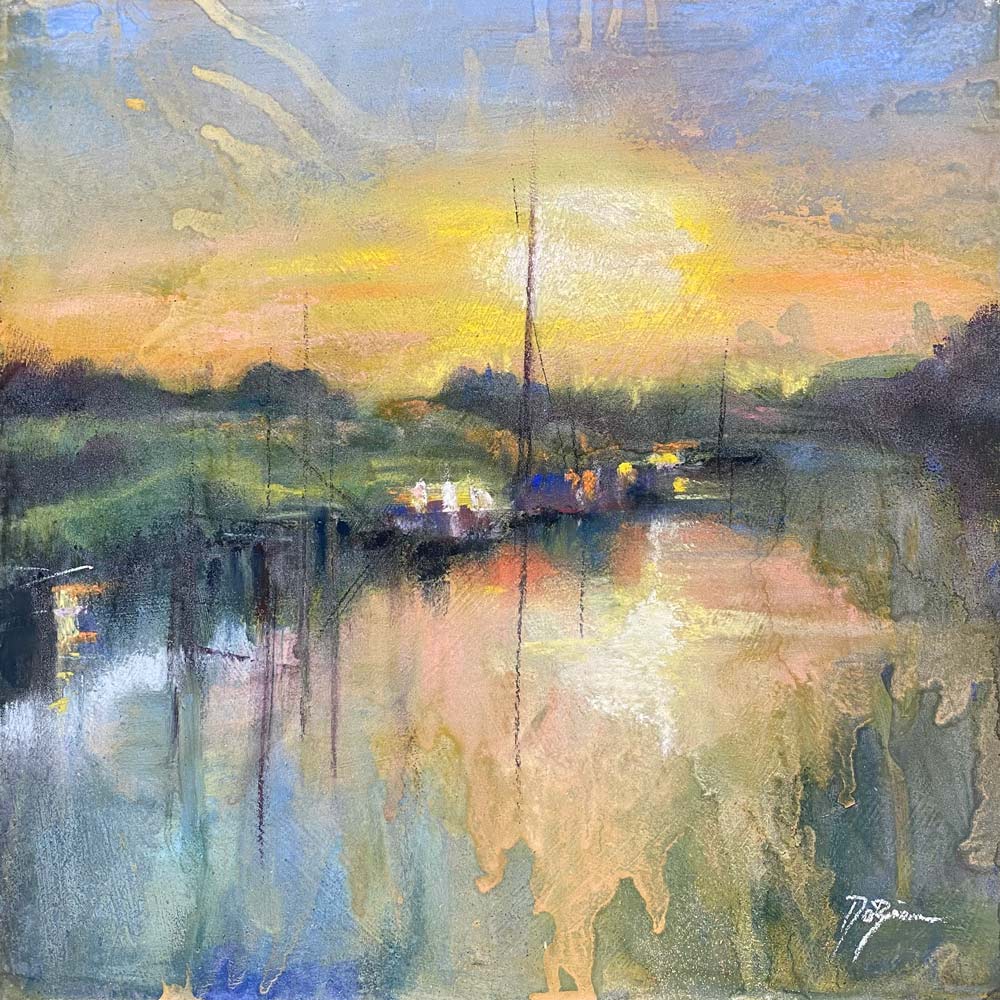
On the subject of inspiration, you’ll see from my work that I tend to paint the places I’ve been – or should I say the places that I like to be. So, there are many paintings of mountains – the Lake District and Scotland. I also love the ocean, so I frequently paint coastal scenes – often little coves and harbours like Mevagissey in Cornwall or iconic scenes like Durdle Door in Dorset.
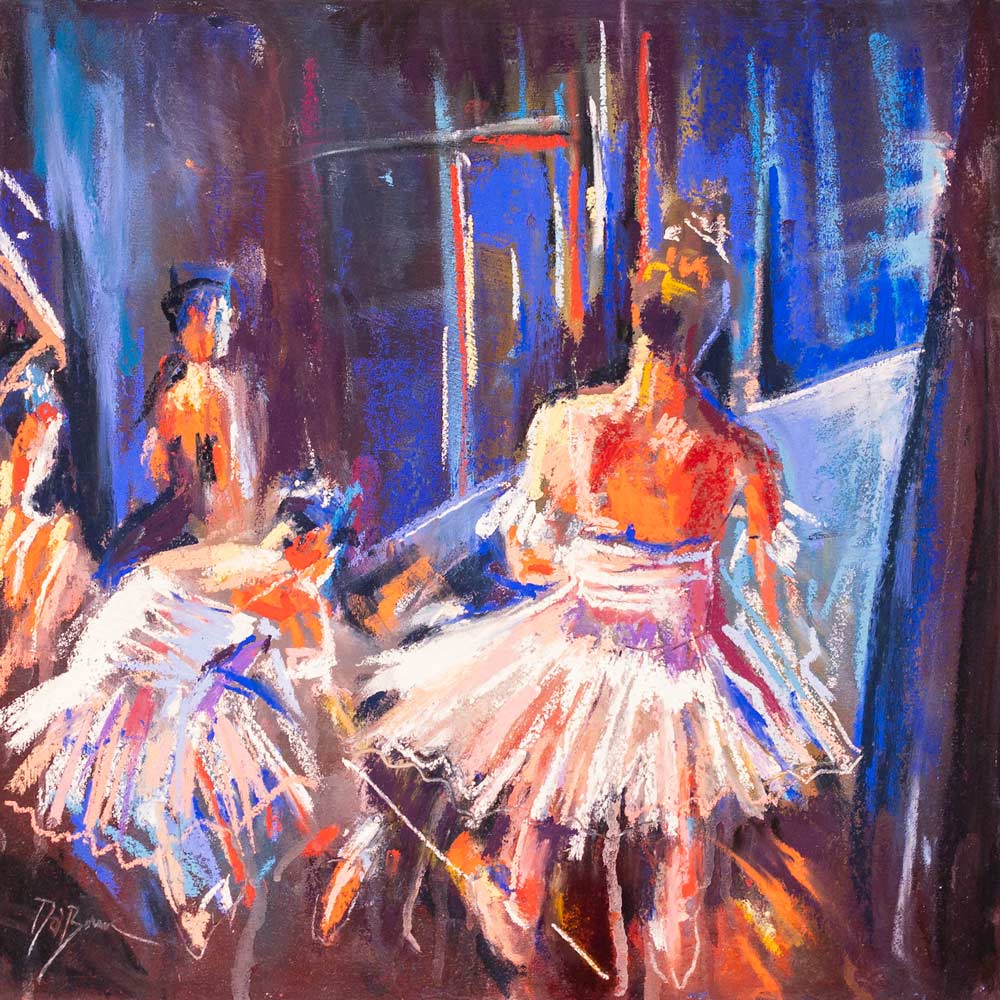
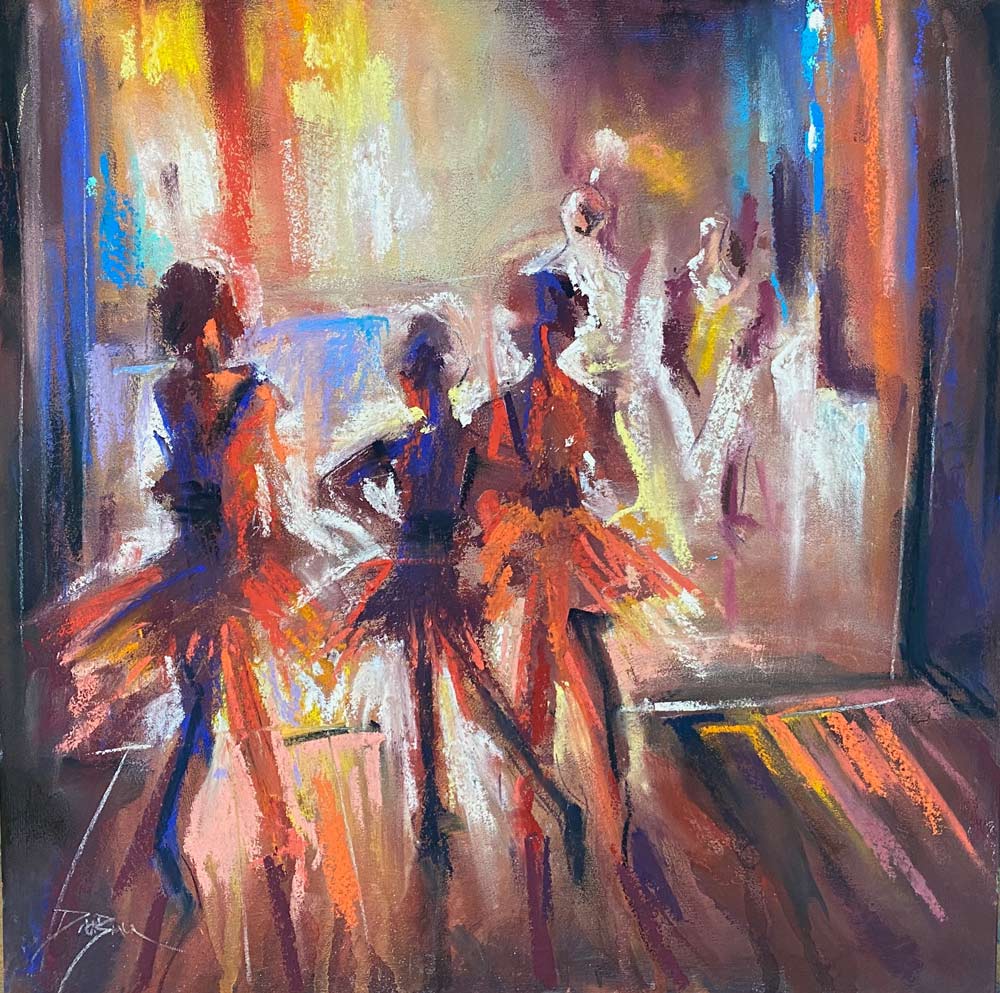
If I’m not painting landscapes, my other inspiration would have to be ballerinas. After a visit to the Musée d’Orsay in Paris – I found there was something special about following in the footsteps of Edgar Degas’ – and painting portraits of stage-side ballerinas in soft pastel.
I love to experiment with different techniques.
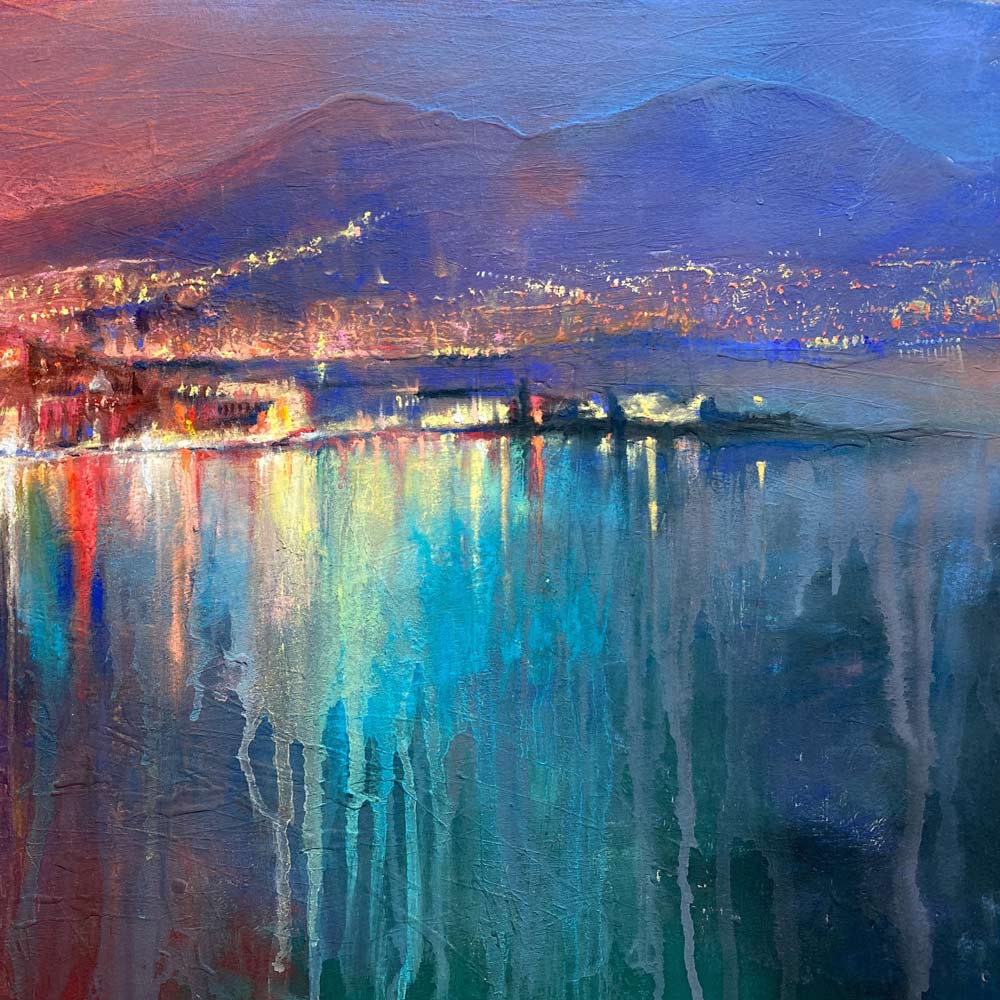
Sometimes I start painting instinctively with an initial pastel base layer, which I quickly flood with lashings of workable fixative – only to dry it quickly with a hair dryer – then repeat the process again. Within minutes, sometimes seconds the “under-painting” becomes the finished painting. To me, if the essence of the source image or inspiration is captured – then my job is done.
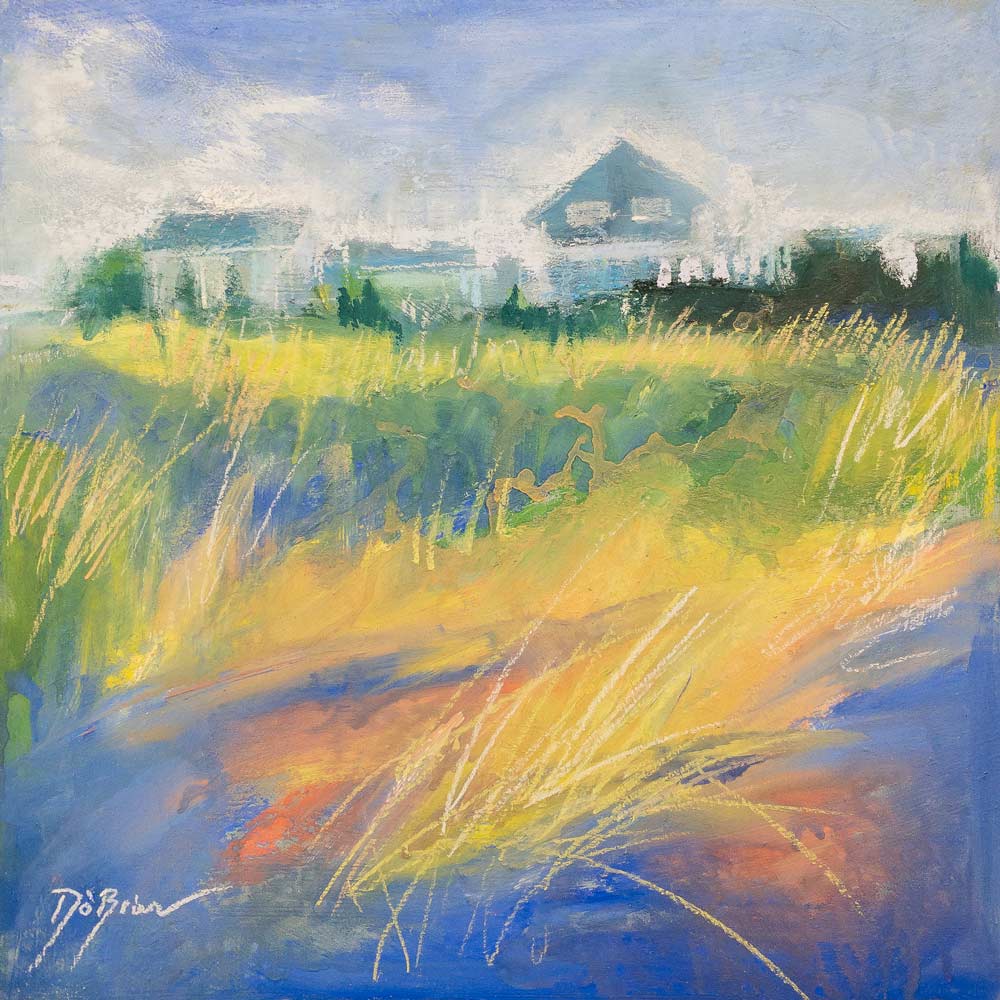
With other paintings – I let the individual pastel stroke form the body of the painting. Each stroke contributes colour – but also adds texture and depth. And because strokes are applied alla-prima, without layering, the paintings have a mosaic or stained-glass quality to them. Inspired by some of the best open impressionists like Erin Hanson, these pastel paintings burst with vibrant colour.
More recently I’ve experimented with techniques that allow finished paintings to remain unglazed. I paint fast and free (as usual) then during the final stage I paint a layer of dead-flat varnish. Using the varnish to push the pastel in directions that add to the feel or flow of the painting – the final result often resembles an oil or acrylic painting.
I hope that as an Associate Artist I’m able to share some of my techniques with you – and perhaps inspire you to play with this beautiful medium, have fun and enjoy every moment you pick up your pastels.



Blogs by Daniel O’Brien
- No blogs from this artist, yet...