
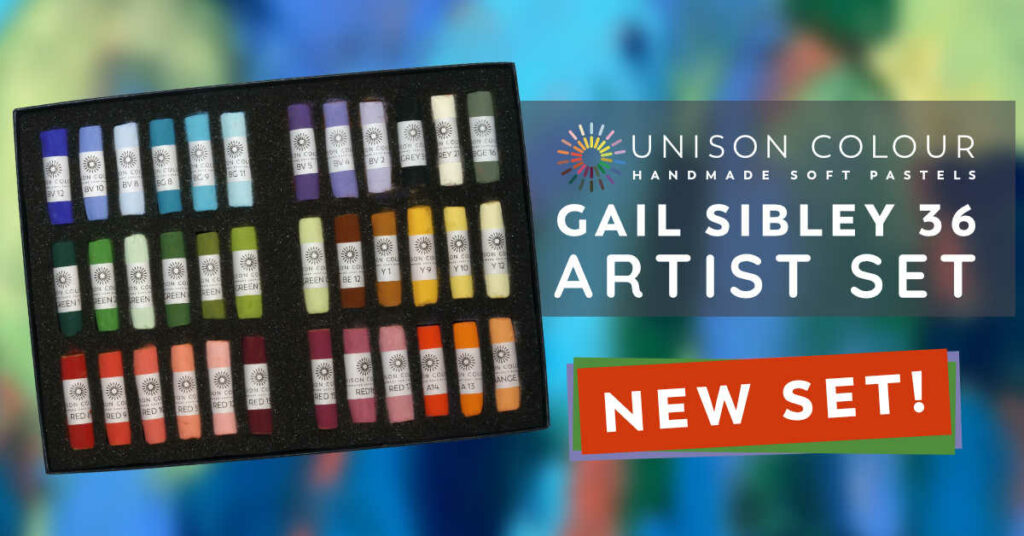
Paint Anything With This Box of Pastels
Find out about the latest new Artist Set from Gail Sibley!

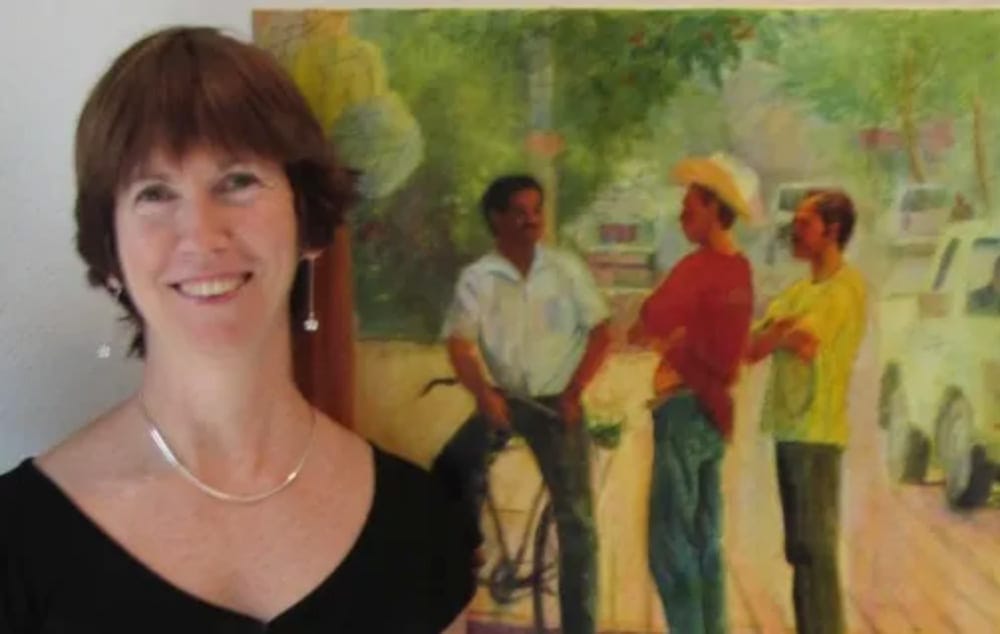
Born and brought up in Jamaica, Gail Sibley completed A-levels in England then moved to Canada for a BFA (Fine Arts) and a Masters in art history. Following university, she returned to her creative side. Experimenting with a small box of pastels, Gail was hooked by their vibrancy, immediacy, and luminosity.
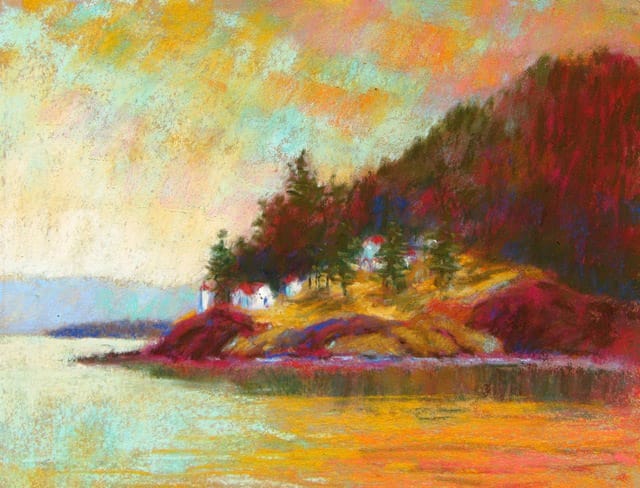
“I take enormous pleasure in painting work inspired by our magnificent world, with subjects ranging from still life and figures, to landscapes and abstracts. I paint what I see and also from a more inward-looking perspective.”
Gail loves teaching and offers workshops around the world. She has also begun offering courses online. “My focus in teaching is to help artists see the potential in a limited palette of pastels. I passionately believe that understanding values will lead to freedom with colour. I also want to help painters discover and hone their own unique voice.”
Gail has exhibited nationally and internationally, winning awards along the way; collectors of her work can be found world-wide. She is a Signature Member with the Pastel Society of America and Pastel Artists Canada.
Gail writes a highly-regarded blog at HowToPastel.com. She contributed to the pastel section of DK’s publication Artist’s Drawing Techniques (August 2017).
For pastel tips and to see Gail in action, check her YouTube channel.
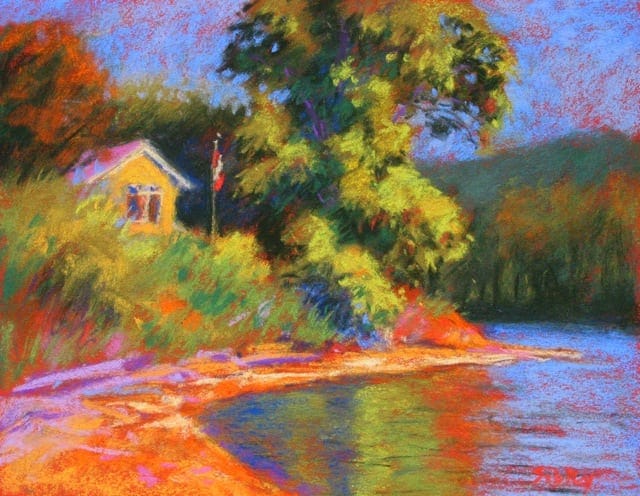
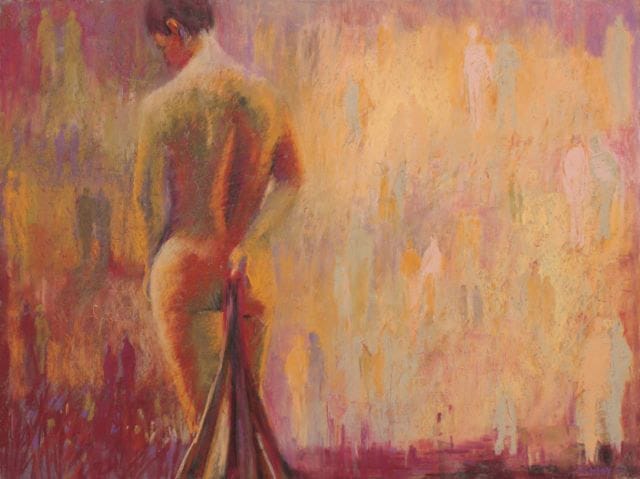


Find out about the latest new Artist Set from Gail Sibley!