Confetti Pastels
Do you like surprises? Do you embrace moments of serendipity and happy accidents? “Confetti Pastels” can add to your excitement.

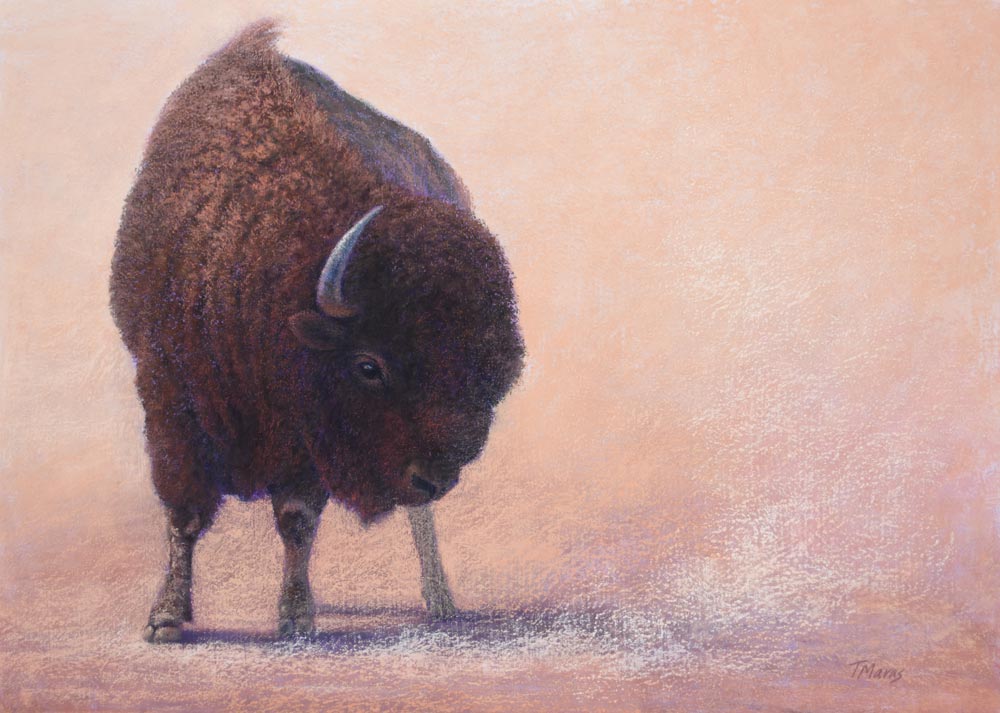
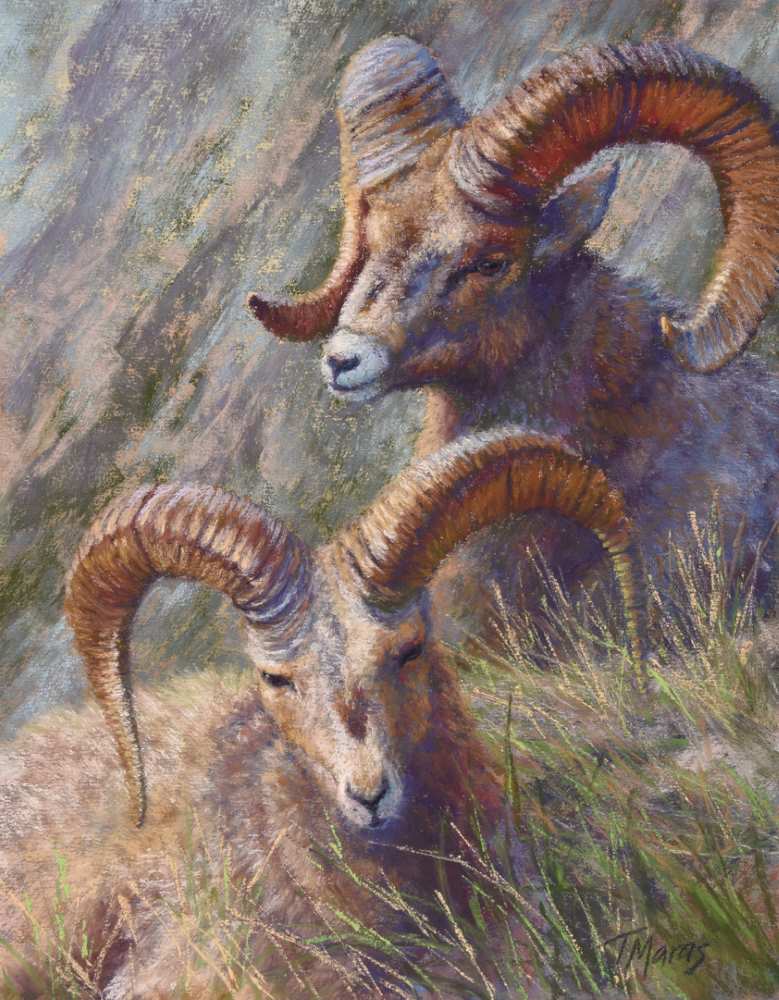
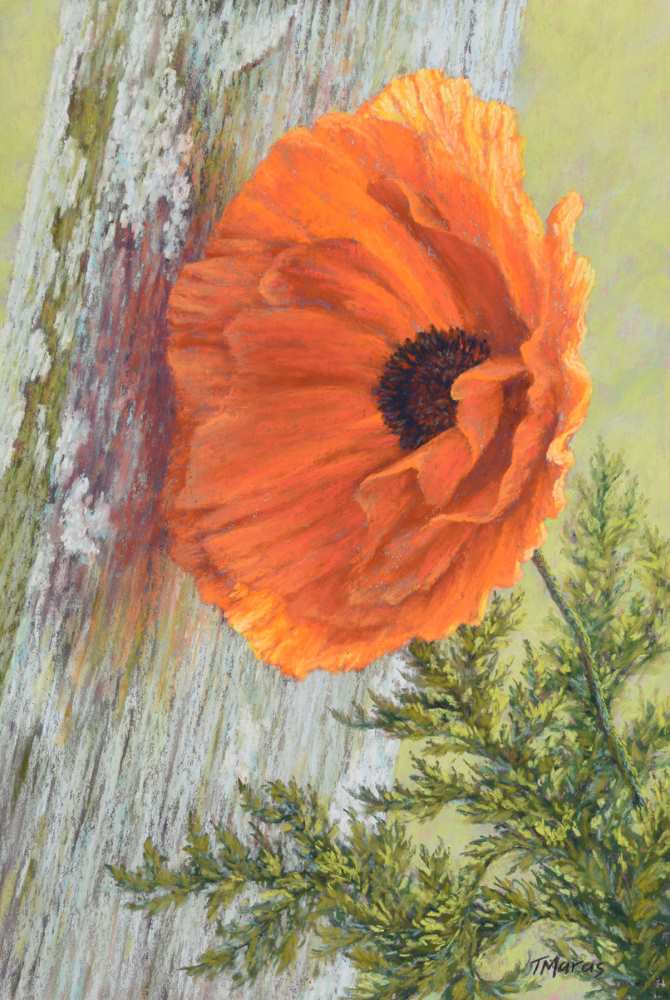
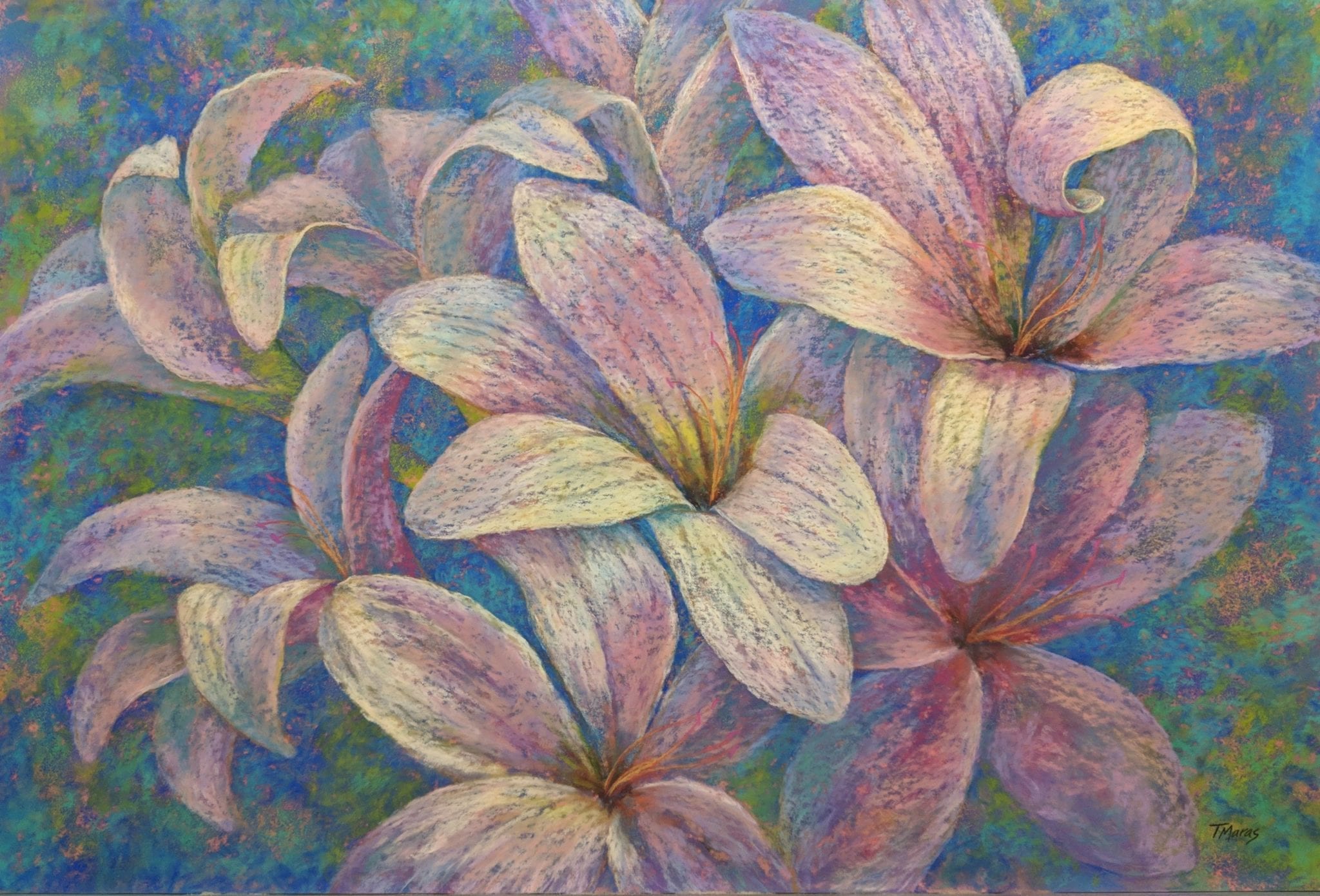
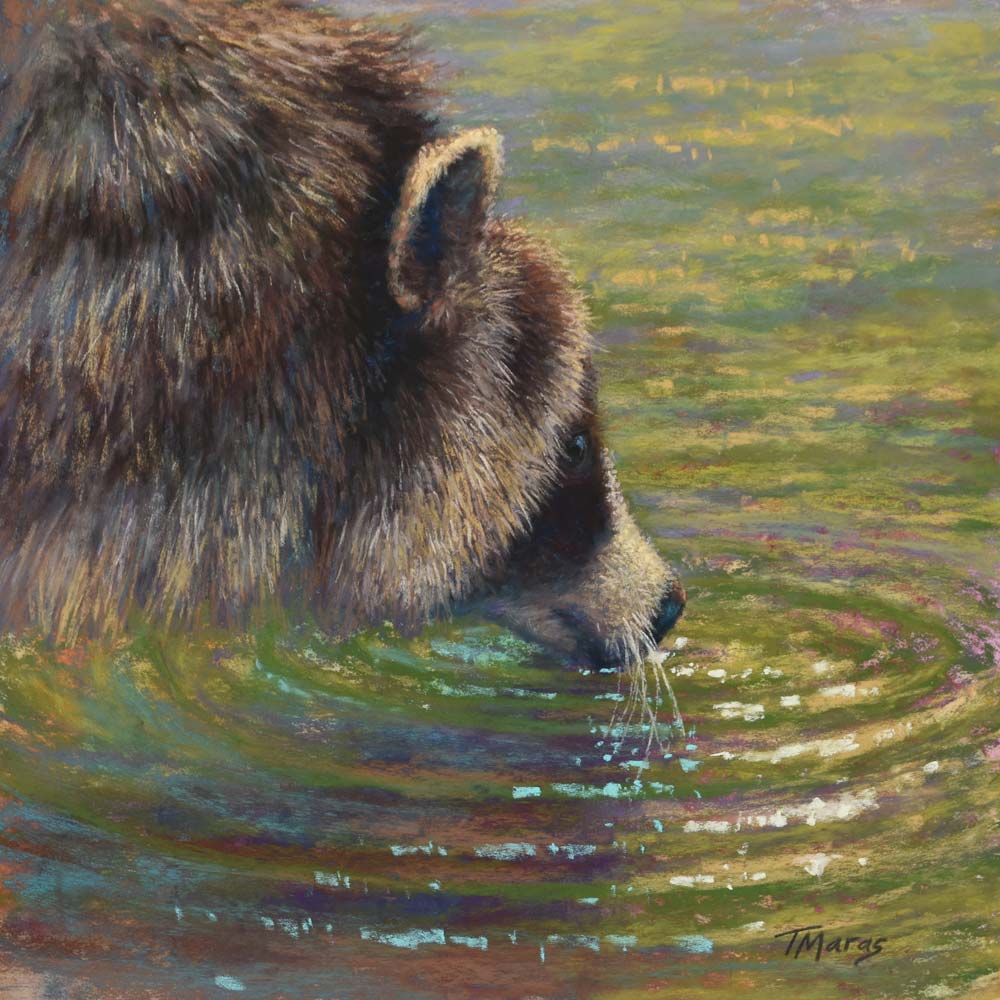
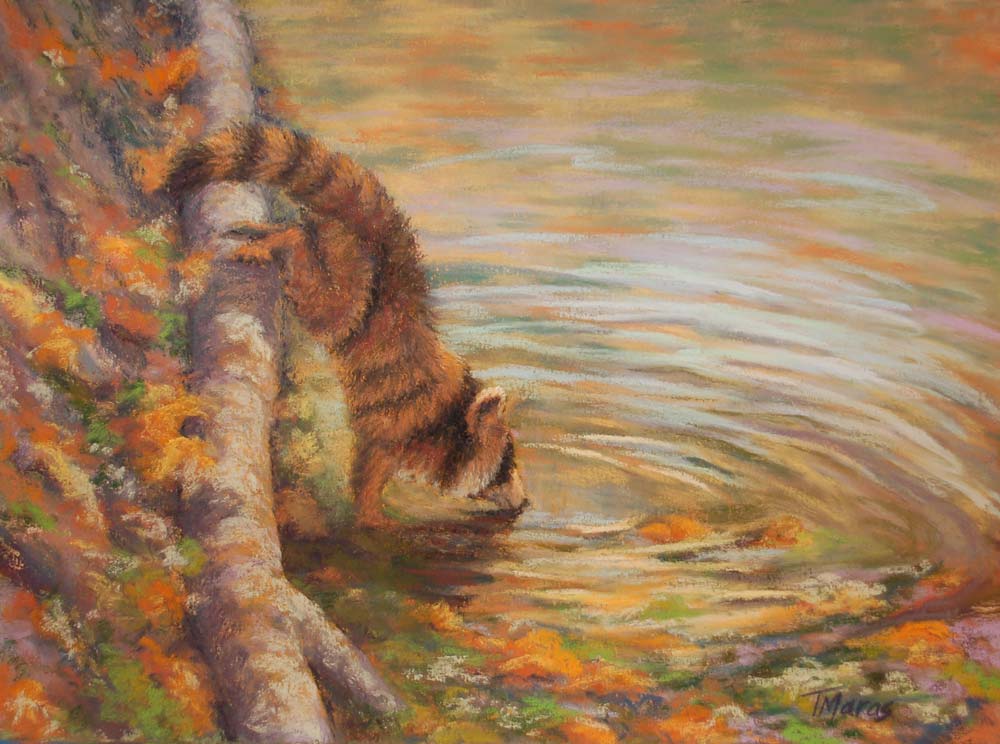
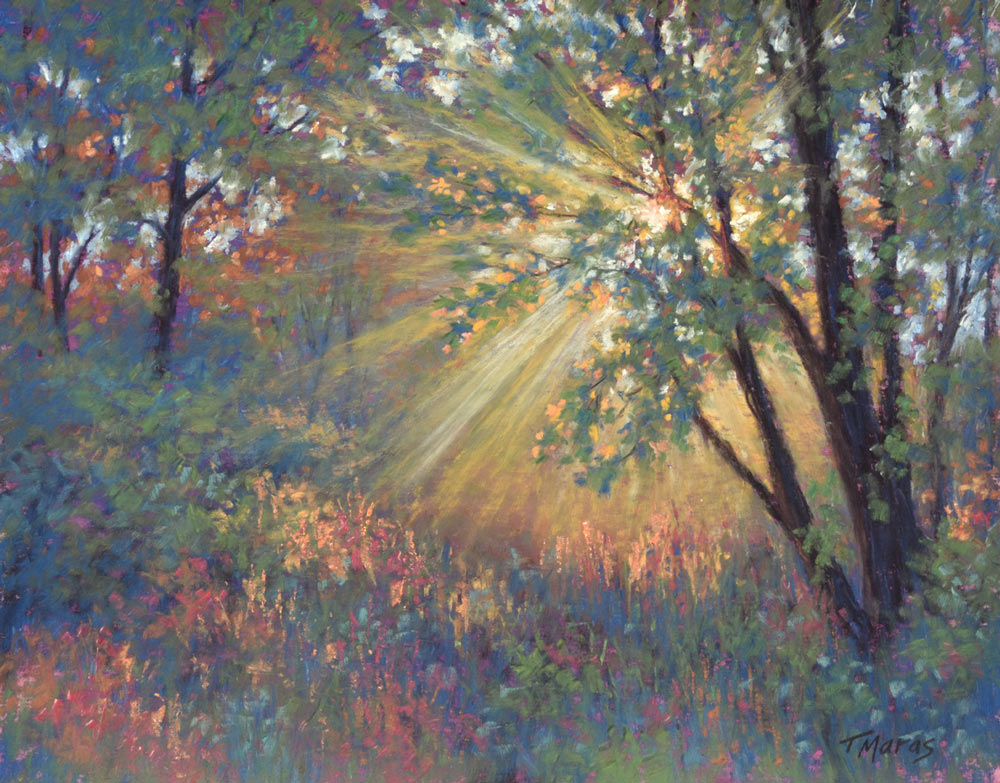
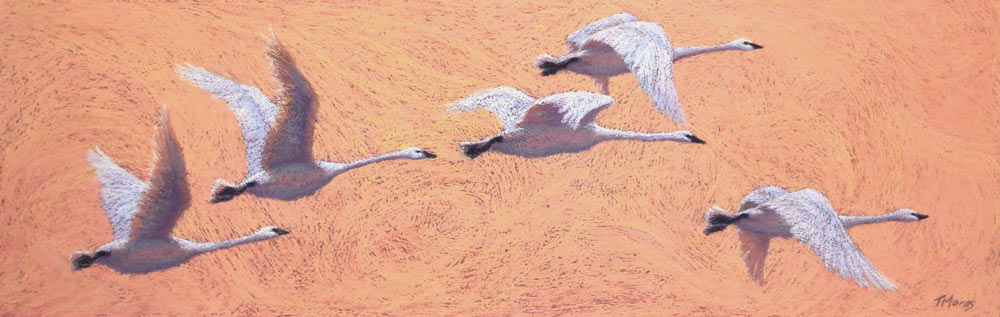
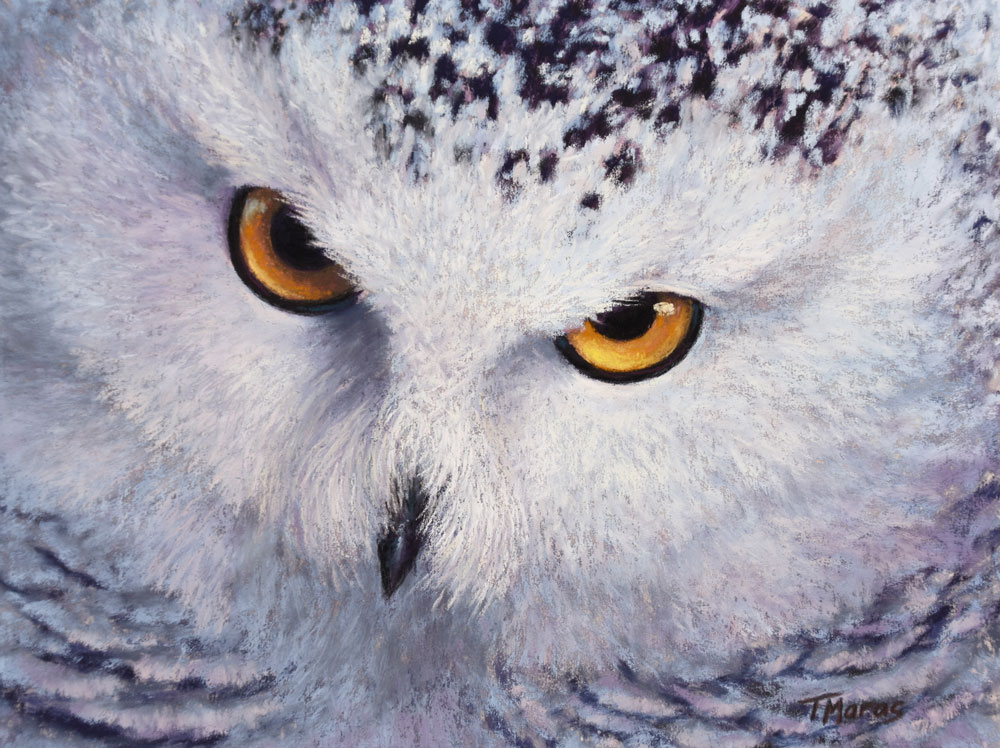
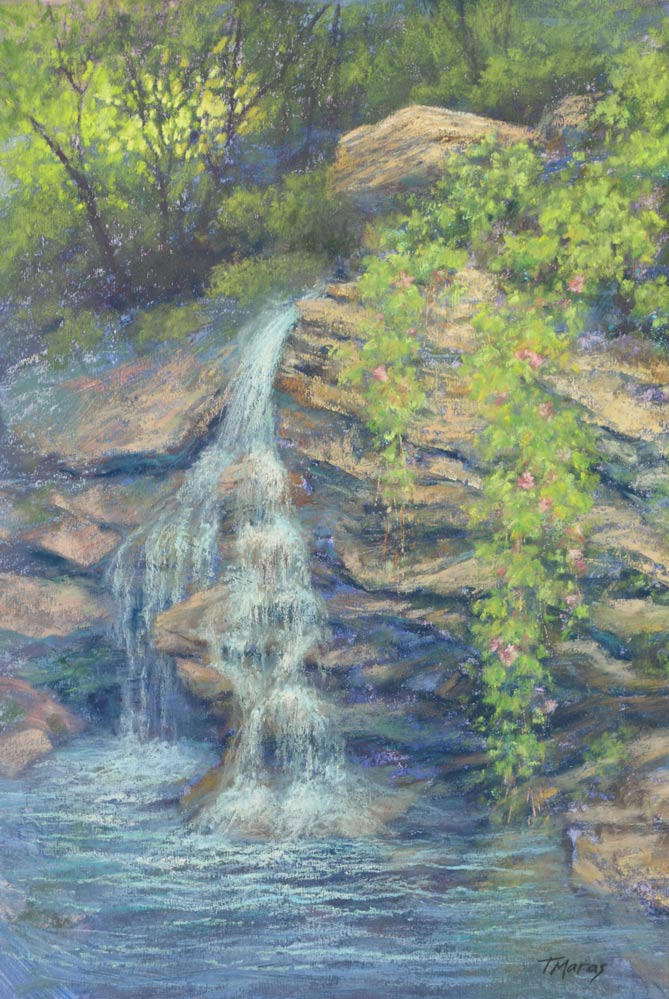
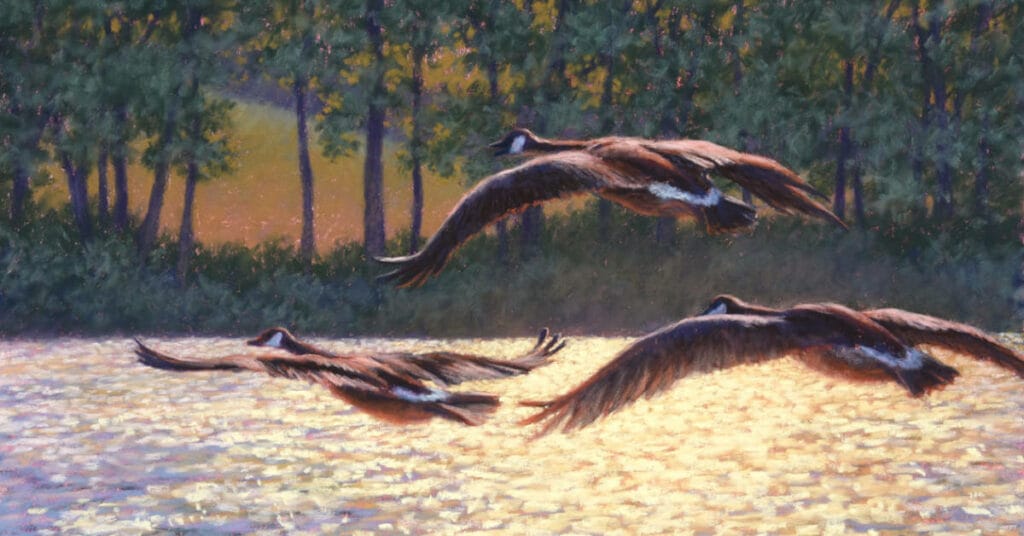
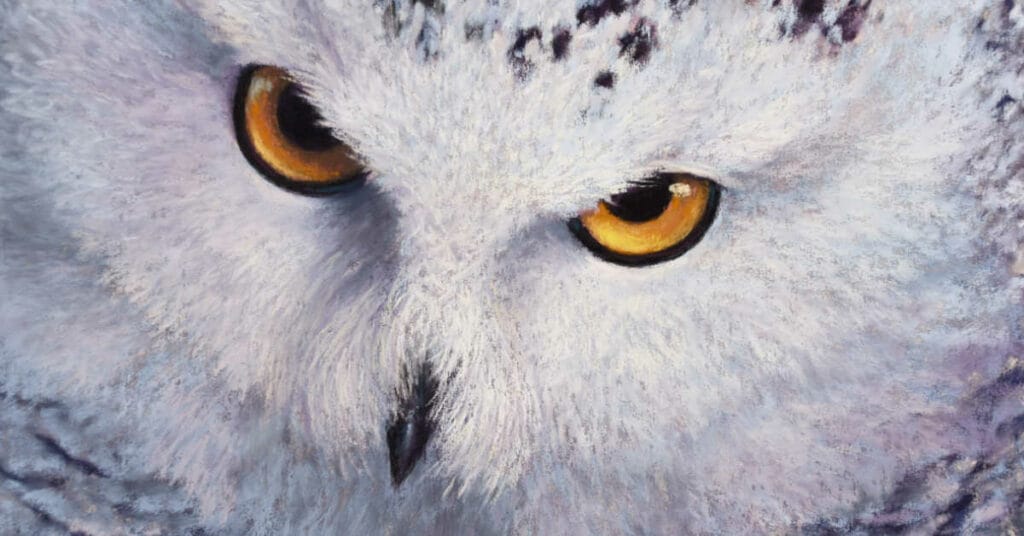
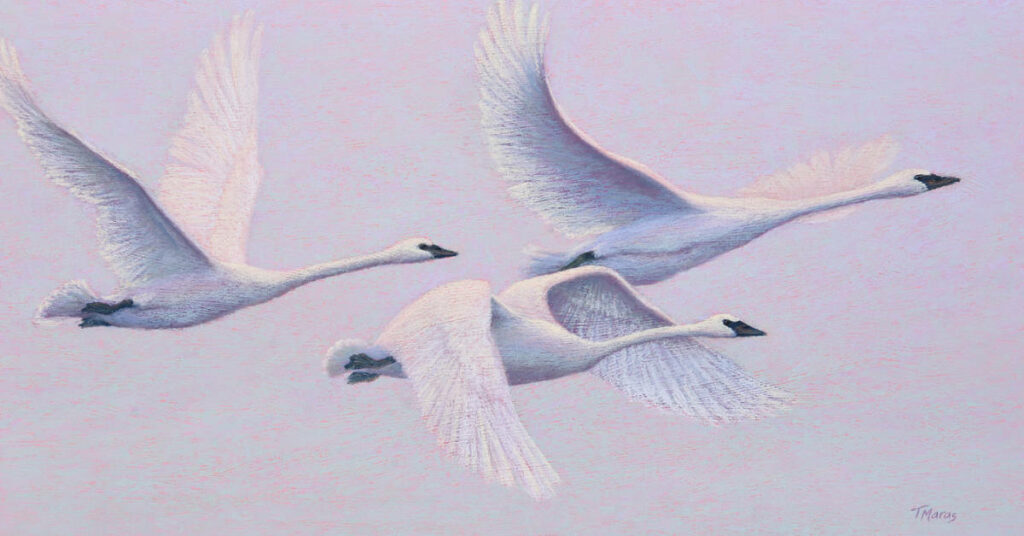
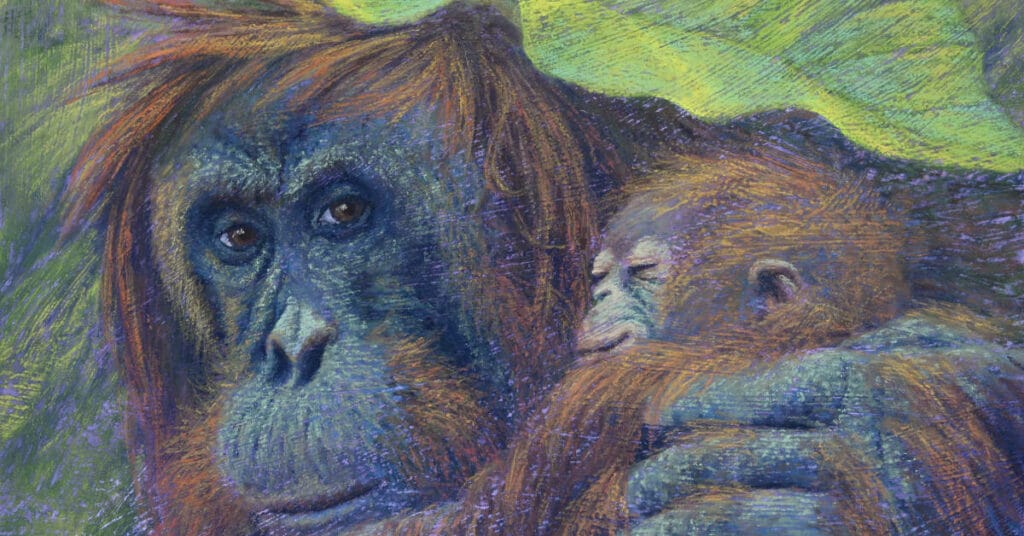
Tracey Maras is best known for her realistic pastel paintings of the natural world around us and life interacting with it. Working with pure pigment, her pieces are vibrant yet intimate views of Central Illinois and beyond.
Her work is found in collections throughout America, including Historical Societies, Corporations, and the International Carillon Festival, and has been featured in the Abraham Lincoln Presidential Museum, Illinois State Museum, and the Springfield African American History Museum.
She is a juried member of the Pastel Society of America, Illinois Prairie Pastel Society and founding member of the Heartland Art Club. Her award-winning paintings have been featured in the Pastel Journal and the International Association of Pastel Societies.
“Since discovering pastels in 2000, my work has spanned many themes including wildlife, landscapes and portraits. My insatiable desire to learn drives my work, continually leading to new inspiration. I strive to push the limits of the pastel medium, exploring and experimenting with new techniques in each work. In addition to pastels, my other passion is teaching workshops and weekly classes, sharing what I have learned.
My introduction to Unison Colour Pastels began with a cherished gift. A hole was left in my heart with the passing of a dear friend and fellow pastellist. And I was brought to tears when her husband presented to me her set of 120 Unisons. With every Unison pastel that I pick up, I remember her smile and laughter and my heart is warmed.”

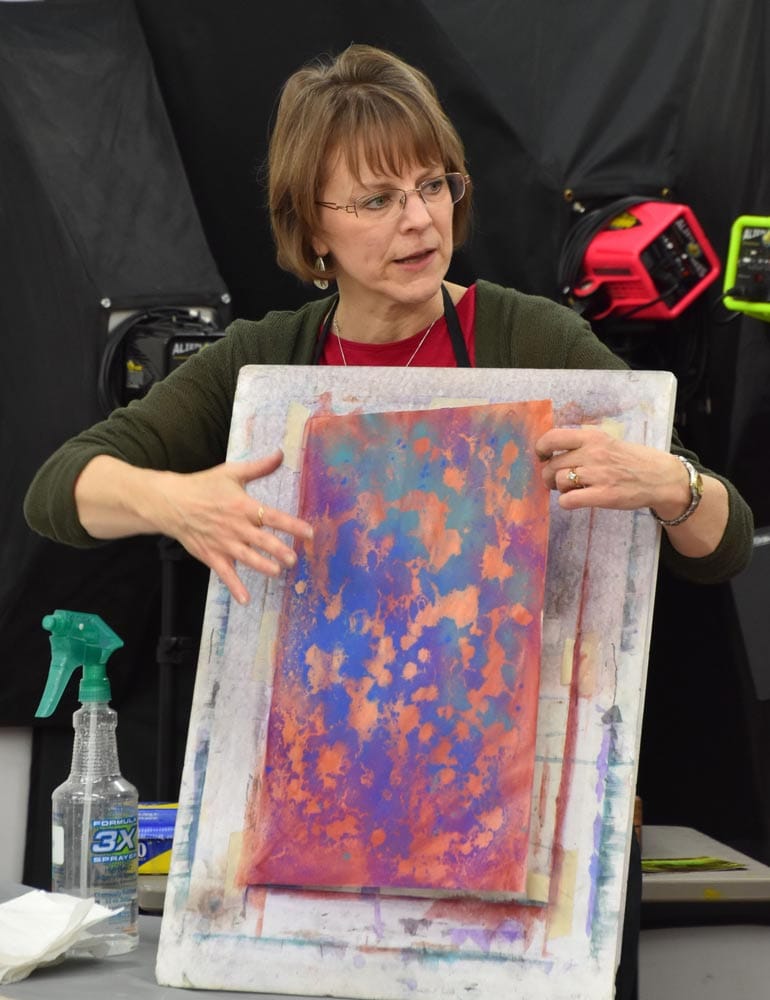
Do you like surprises? Do you embrace moments of serendipity and happy accidents? “Confetti Pastels” can add to your excitement.

It happens. You are comfortable with painting. Yes, you know you have room for improvement and growth. But you enjoy painting. And then you get lost.

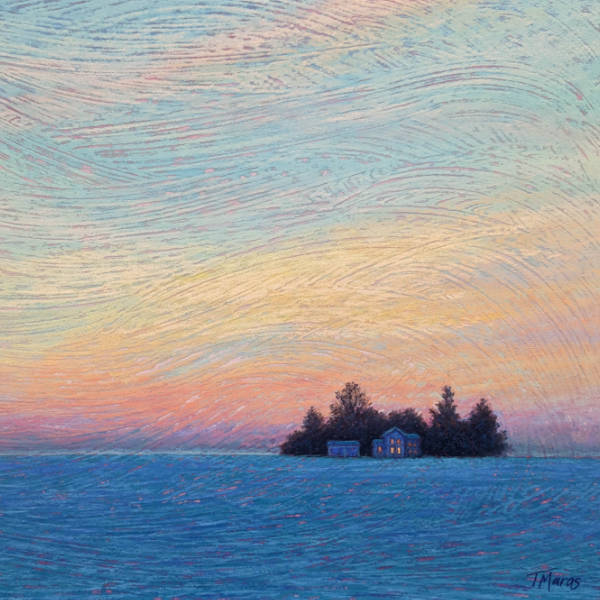
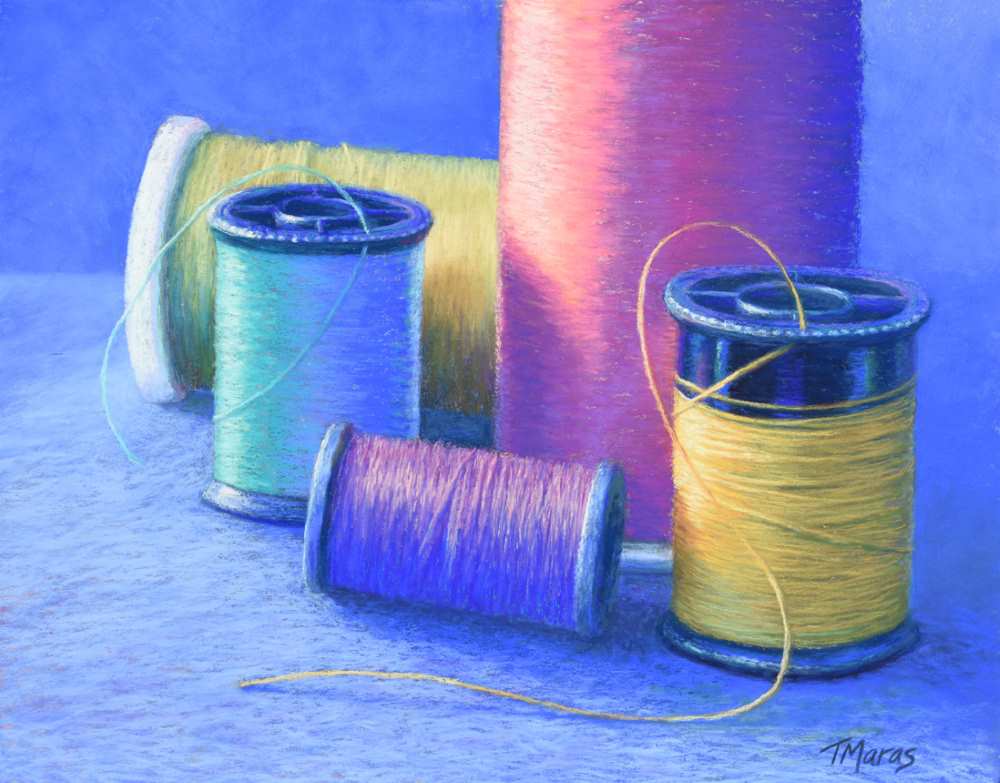
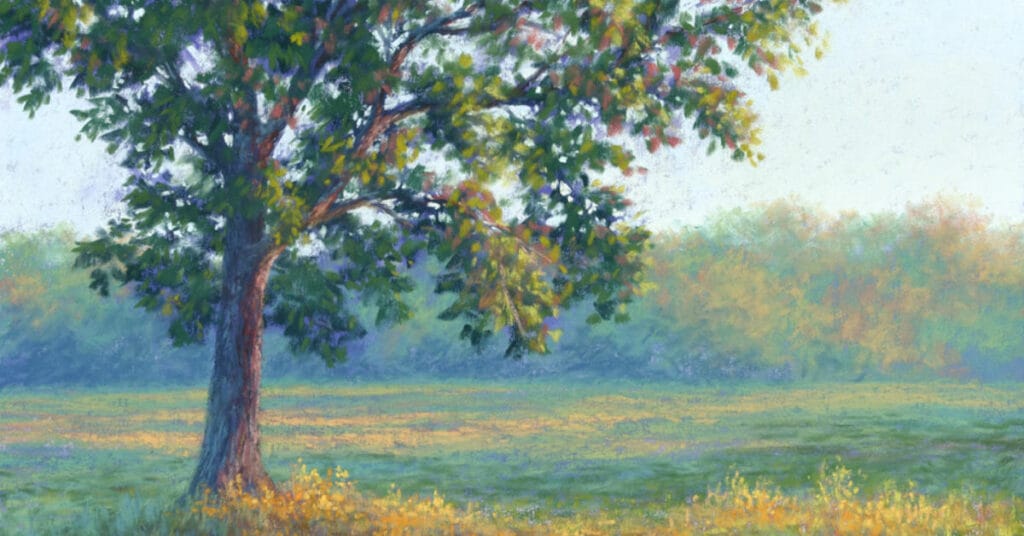
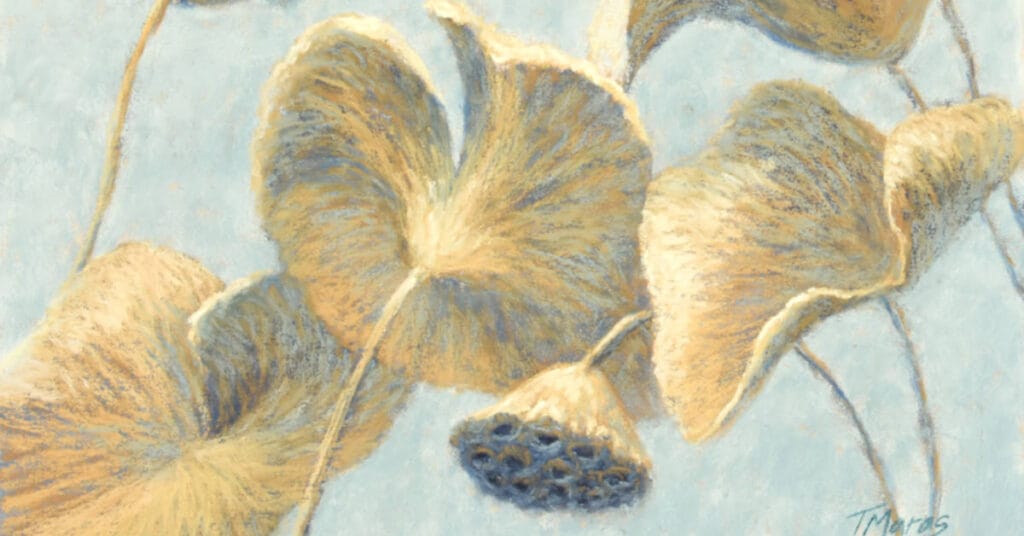
Sometimes I just don’t want to use what nature gives. Sometimes I just don’t want to use local color. Don’t get me wrong. The world is filled with infinite beauty and inspiration. But sometimes I just don’t want to paint a blue sky and green leaves.

“What if?” can lead to a stronger painting. We hear it all the time… “Just because it is in the photo doesn’t mean we have to paint it that way.”

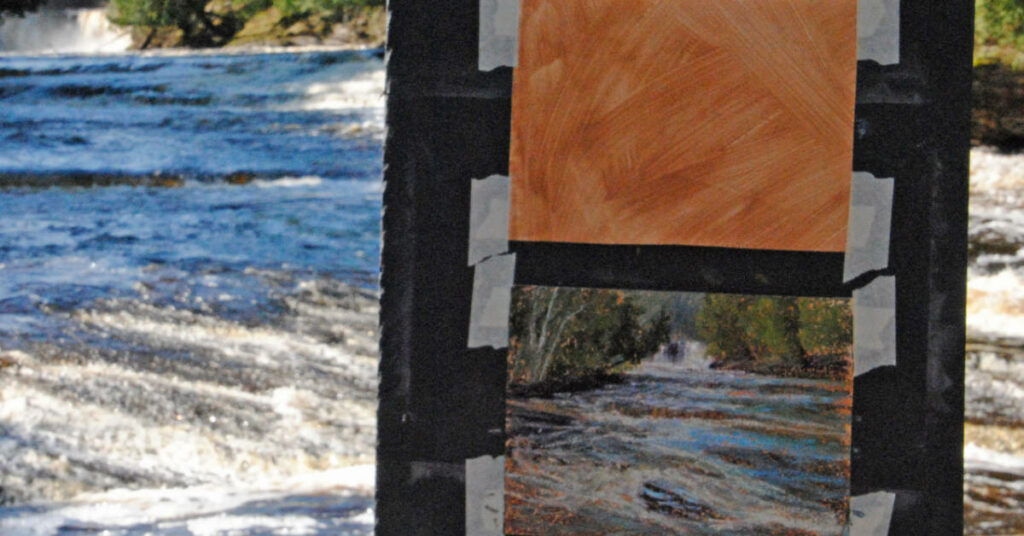
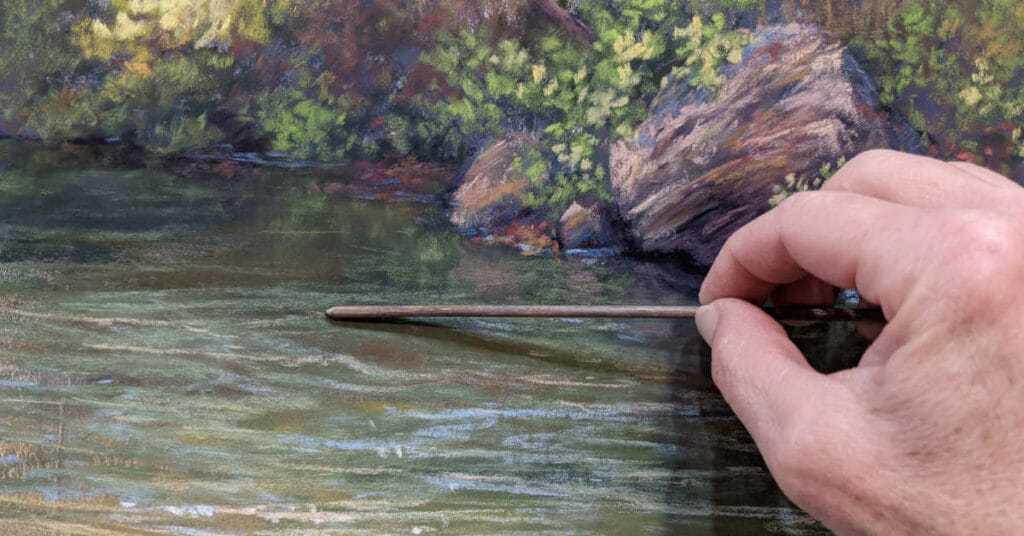
Isn’t it exciting when you stumble onto something that is totally new? That is what happened when a colleague and I were developing a series of workshops on creative underpaintings for pastel. While experimenting and asking “what if?” the technique of “Floating Pastel” was created.

I am a planner (and not ashamed to admit it). While I may spend time sketching for fun, when beginning a new painting, I always have a plan.

Tracey Maras shares her thought process on revisiting a painting, long after its initial creation.

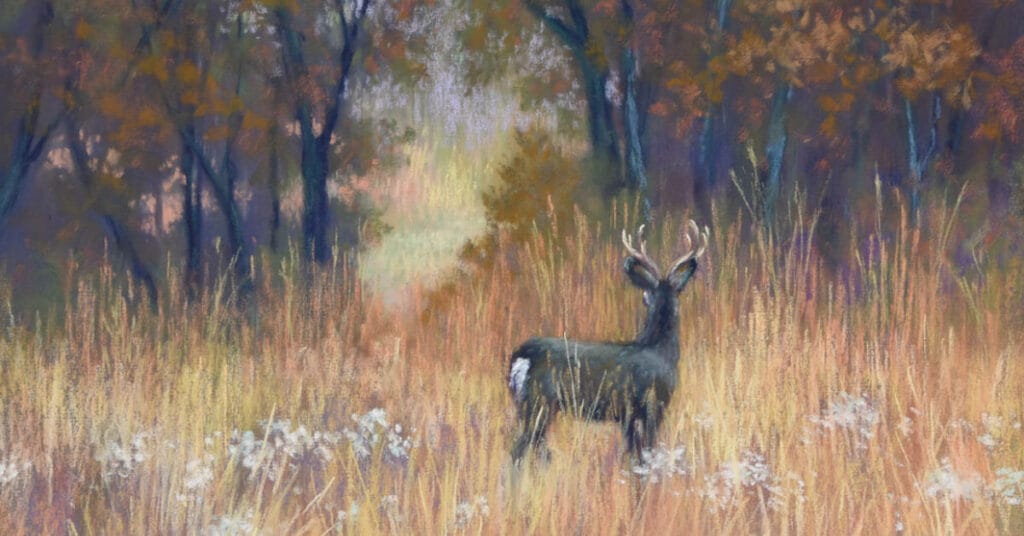
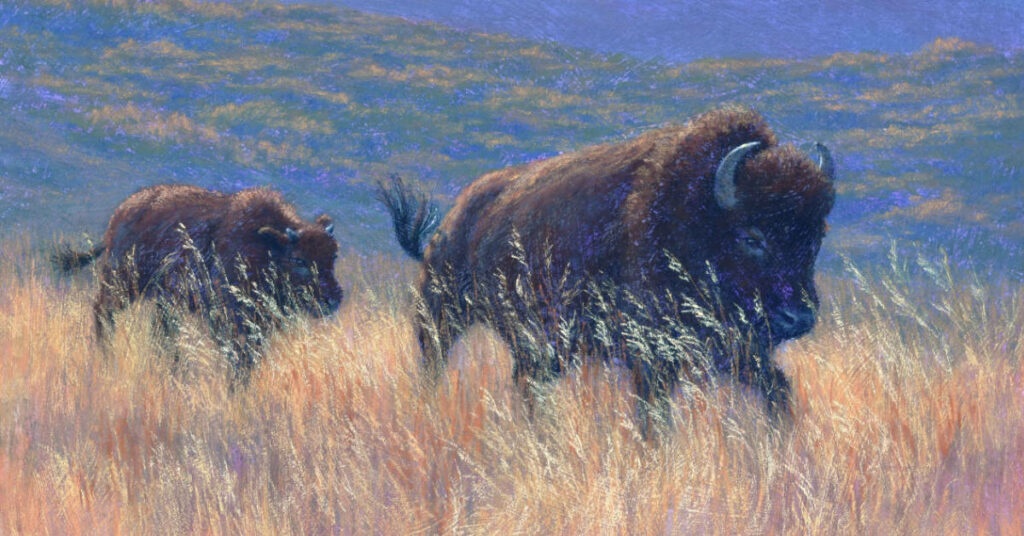
Since many of my paintings incorporate wildlife, I must frequently rely on quickly taken photos to capture the moment.

Inspiration can come from anywhere and at any time. But rarely does our source of inspiration provide us with perfection.

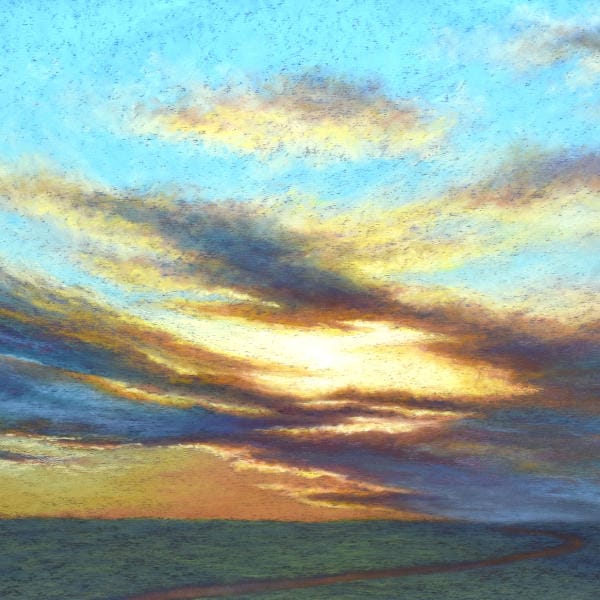
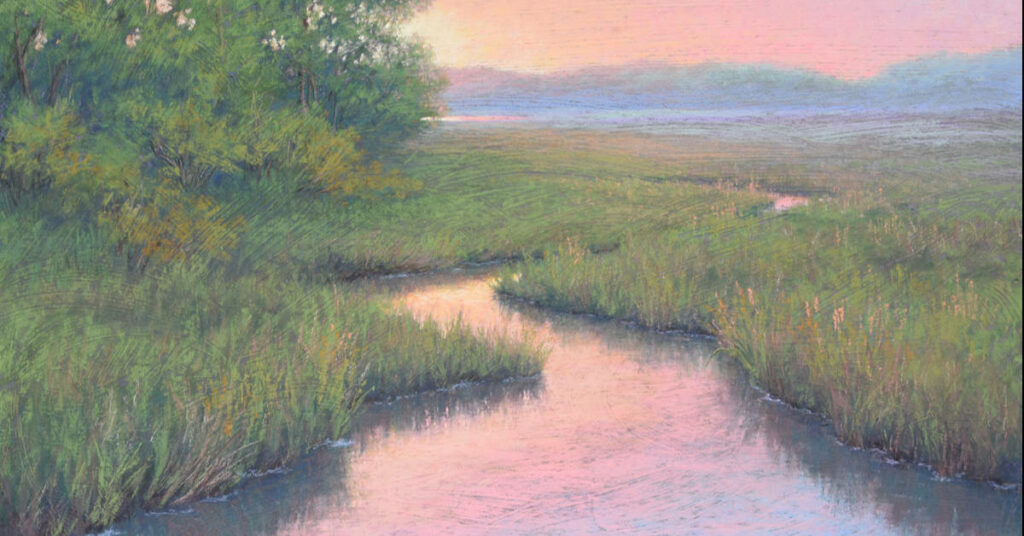
The sky is filled with the dance of so many colors. You quickly snap some photos to capture the moment, thinking to yourself about how you are going to create a painting to memorialize this moment.

The question that every artist hears at some point is “How long did it take you to paint this?”. It can be a very complex question to answer. Is the inquiry to determine the financial value of the piece? Does the answer somehow determine the quality of the painting?

When asked to identify the color of a shadow, it is common to respond that it would be a darker color of whatever is in shadow. A shadow of a tree on green grass would be a darker green. A shadow of the same tree on dirt would be a darker brown.

Do you work from photos or from life? This is not an either/or question. There are pros and cons to either approach and I prefer the best of both worlds.

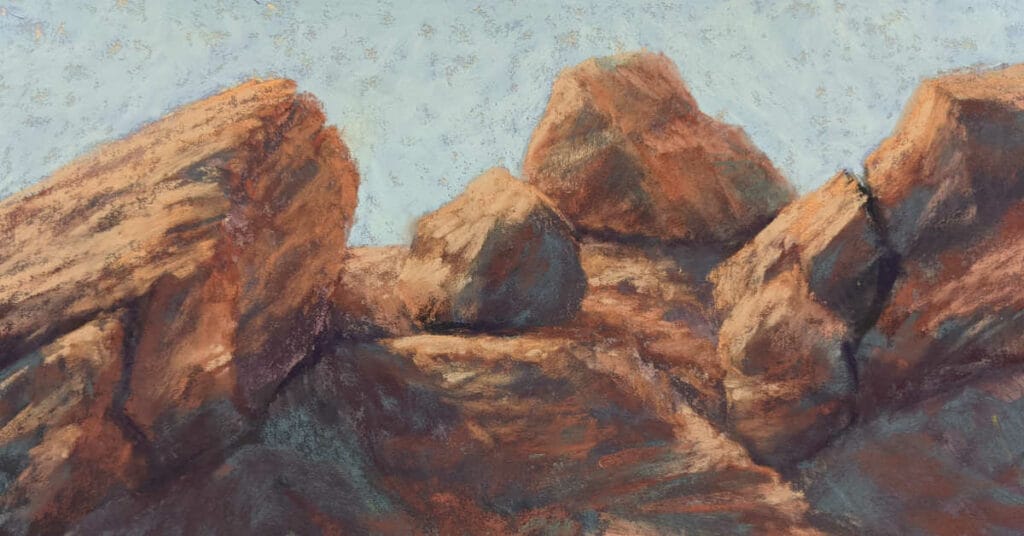
While some may have curio cabinets filled with nick-nacks, I have rocks. Smooth rocks, rough rocks, satiny, shiny, sparkly, large rocks, small rocks, really, really small rocks, if it is a rock, I am intrigued by it.

Over the years, I have learned that there are infinite ways in which pastels can be manipulated as a drawing and painting medium.

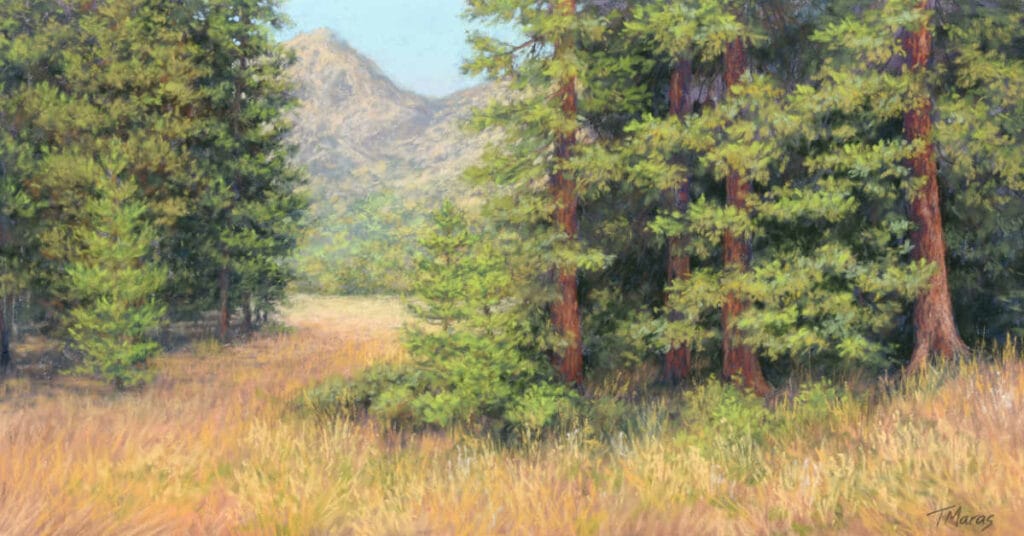
No matter how I tried, my conifers always looked flat and uninspired, not unlike a green frosted sugar cookie.

For a painting to work effectively, it should include a range of values as well as a variety of warm and cool colors. In addition, color harmony will be more successfully achieved when utilizing a limited palette.

Your handwriting is as unique and distinct as you are. Regardless of how we were taught to write, we each develop our own style. Immediately recognizable to those who know us.