
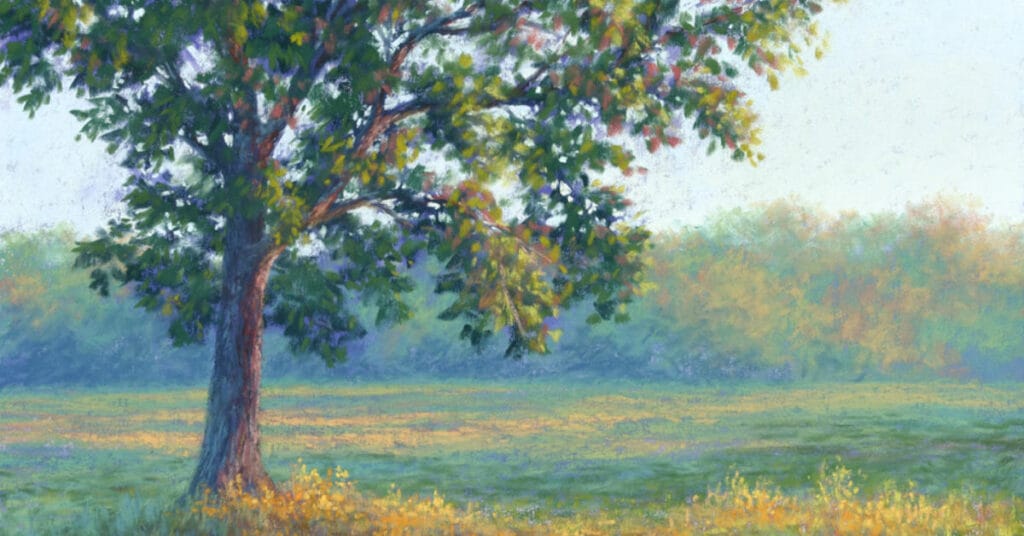

One of the ways to take one’s art to the next level may be hidden in the shadows.
When asked to identify the color of a shadow, it is common to respond that it would be a darker color of whatever is in shadow. A shadow of a tree on green grass would be a darker green. A shadow of the same tree on dirt would be a darker brown.
But the answer is not that simple. There are a variety of colors that can be reflecting into those shadows. The shadow color of the grass or dirt will be cooled by the blue reflecting from the sky.
Nearby objects can also impart the shadow with a hint of color. Sun striking a red barn will bounce red onto nearby snow. The warm hues of sand will reflect onto the shadow side of a rock or the horns of a Big-horned Sheep.

Sunlight shining on a face of a portrait may warm the brim of a hat.

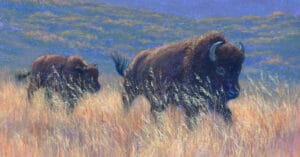
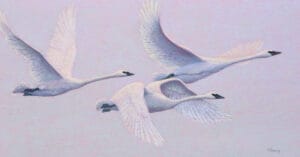
Discovering these little jewels of color can enliven a painting by making the shadows more interesting. But first it takes awareness. We must go looking for them. Direct observation works best as photographs rarely capture these subtleties well.
On a bright sunny day, go for a walk with the goal of looking for reflected color. Look for vertical surfaces that are in shadow. If sunlight is shining on something nearby, see if you can identify any color shift onto the vertical surface. It might be at the base of a tree trunk. It may even be along the underneath surface of a branch.
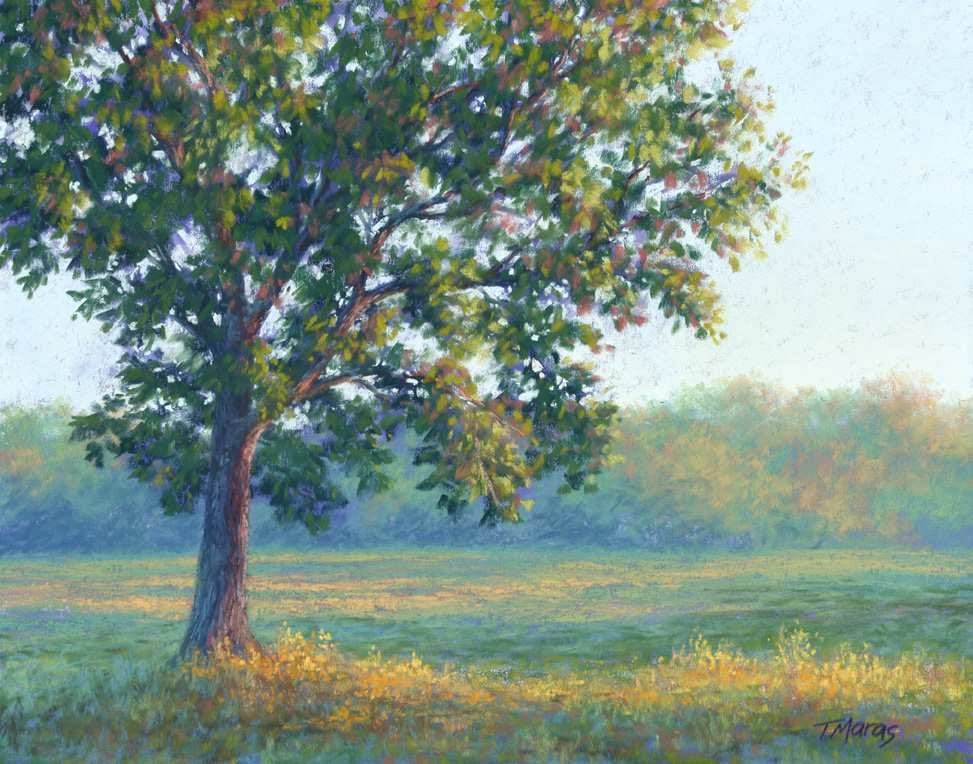
Being more aware that they exist leads to a treasure hunt for color. You’ll soon discover colors bouncing back and forth between surfaces, creating a kaleidoscope of color. Discovering these little jewels of color are like the cherry on a sundae.



6 comments
Alexandrine Duguay
(Translated)Thank you for all the advice you give so generously about shadows, sometimes we don’t always pay attention to all the subtlety of colors
that a shadow can produce.
Have a nice day!
(Original)Merci pour toutes les conseils que vous donnez si généreusement au sujet des ombres , parfois on ne fait pas toujours attention à toute la subtilité de couleurs
qu’une ombre peut produire.
Bonne journée !
Tracey Maras
Thank you Alexandrine. I always smile with the reminder that it matters not the language we speak when sharing the beauty the world has to offer. Thank you for your kind words.
Marsha Hamby Savage
Wonderful post about reflected colors. I talk about this quite often with my artist friends … and definitely to my students. You explained it very well. Hopefully I can share this to my Facebook page … I love doing so from various artists. Thank you for your words.
Tracey Maras
Marsha, yes, please continue to spread the word about reflected colors. It first takes awareness to begin looking for and seeing the colors hidden in shadows. Too often we rely on what we think we know rather than actually seeing. And please do share this on your Facebook page. The more, the merrier!
Susan Oliver
Some lovely ideas and suggestions for artists of any medium to enjoy. Many thanks!
Tracey Maras
Susan, you are absolutely correct. Artists of nearly any medium can incorporate reflected light into their works of art. These subtle shifts of warm and cool in the shadows truly enliven our work and make shadows so much more interesting.