
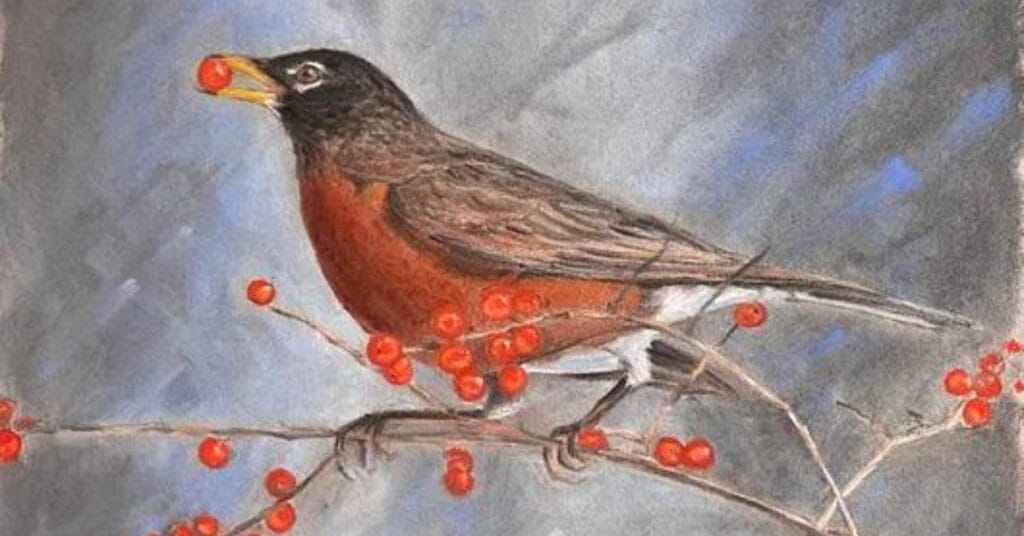
On two sides looking out the windows is the woods, the view begins not four foot off the sidewalls where trees and open forest floor slope up and gently away. When the spring rain comes, water gathers in the high places and forms water falling streams that run toward and alongside the studio heading toward gathering ponds on the lower side.
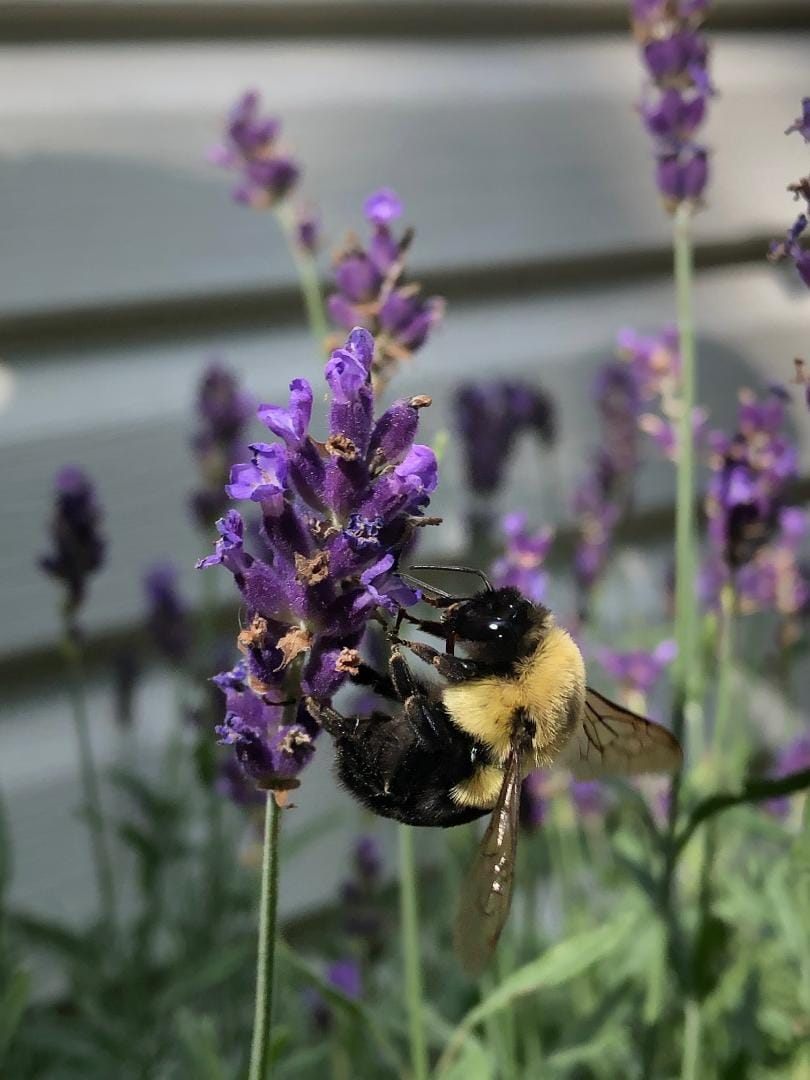
Out the opposite side window is a loosely curated but very tidy flower garden that hosts all manner of wild visitors in season, colorful birds, butterflies and bee’s frequent the space in daytime. At night the often rowdy black bear, fussy whitetail and rather crafty raccoons stop by.
All these actors show up in my work and have to be the most cathartic and sometimes vexing of subjects that I’m privileged to paint. Over 30 years of life lived exclusively as a painter of wild things has taught me what matters within my own work. The studio garden is one component that I can not do without. All that I know is not unique, it’s an often shared artistic vision to aspire to reside within environs that offer up unending inspiration. Monet, the grandfather of us all made it nearly a prerequisite should one hope to live and commune with nature in and through their work.
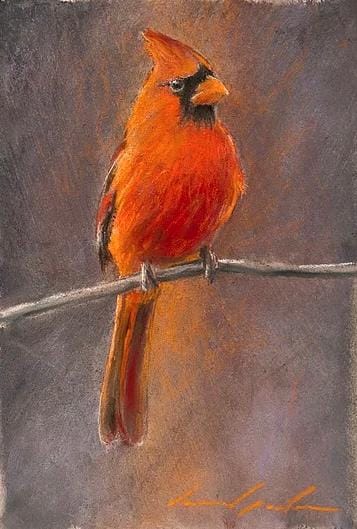
You’ve heard “time waits for no man” and time is exactly what the studio garden demands of the man. If you are able to commit to both your studio garden and your work then I strongly suggest it, if you must choose between one or the other choose your work and visit a garden, I can tell you no man can easily serve two such demanding masters.
If you are blessed the studio garden will offer up its very best for you in time, you in turn can give your best to your garden and it’s wild inhabitants in both its care and immortalization through your work. Many people ponder permanence in life, I would suggest a shining horticultural achievement however big or small that pleases your wild visitors and is captured in your own unique style would offer up no better chance of achieving such goals and perhaps, if you are lucky, your children will curate the whole idea well beyond your own living days.
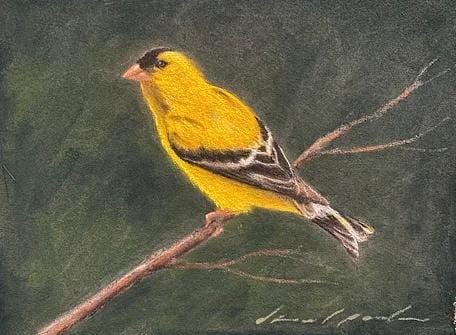
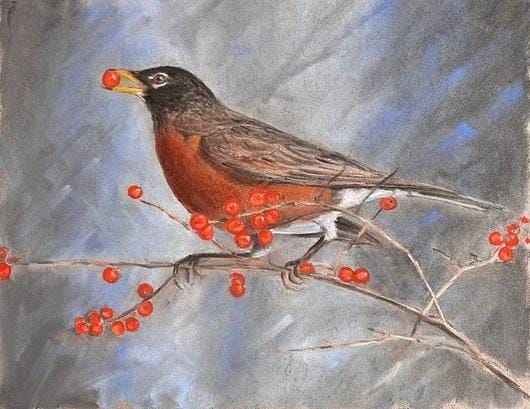
As pastelists we know light and life are best expressed in richly pigmented color. I’m saying “fill the natural spaces around you with vibrant color and life will be naturally drawn into it” pause long enough to look upon what’s about you and you will find unending subject and endless opportunities to breathe new life into your work.
Commit to that ever expanding colorful landscape, even if small. As the birds sing, the butterflies will surely light, the bee’s will offer you praise and you may just find your whole artistic being wrapped well up into your own peaceful garden of color and flight.
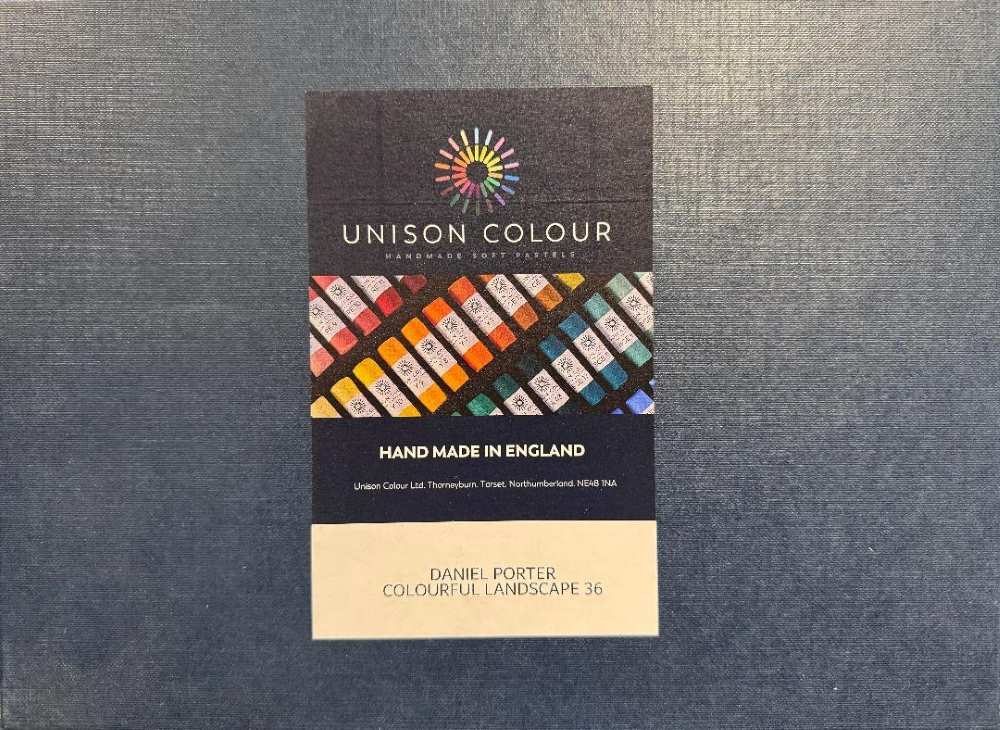
Unison Associate Artist Daniel Porter has curated his own set of Unison Pastels called “The Colorful Landscape” pastels all carefully considered and used in capturing the environment around him both real and imagined.

3 comments
Lori O.
I only paint birds, farm animals and wildlife, but am especially drawn to the birds that visit my garden daily. As the weather warms, I can spend hours watching and listening to the goldfinches, house finches, scrub jays, song sparrows and so many more. Every now and then, I remind myself it’s time to weed – but, that always comes after painting!
Nature is marvelous! Thanks for your great article!
Kay L Tomlinson
Love this post. This is important soul-work as well as artwork…or perhaps those are the same thing, eh? Thanks for articulating it so clearly.
Mary Montague
I am a fellow pastel painter and I look for other artists who have a similar vision. I love painting domestic and wild animals.