

Up until four years ago I hadn’t picked up a paint brush or pencil since school. As a child I would draw and colour all the time and was in awe of nature. I’d be intrigued with the veins on leaves, I’d collect feathers and feel elated if I found a colourful one, shells and interesting things on the beach were all treasured and if I found a stone with a hole in it I was over the moon. Sounds silly but like a lot of people, I lost touch with these small pleasures as I got older and life got busy.

Anyway, thankfully it came back like a smack in the face, sounds crazy but about five years ago out of the blue, I was seeing things the way I used to but with even more clarity and detail. I suddenly wanted to be outside in nature walking and taking in all the beauty around me. I’ve always been an avid photographer so it was second nature to capture everything on camera. I became so interested in art at this time too, something that surprised and pleased me. I wanted to visit galleries and talk to artists, ask questions and then finally have a go myself.

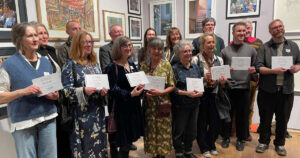
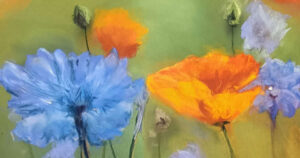
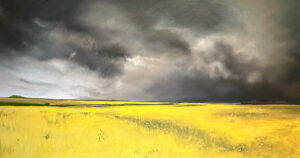
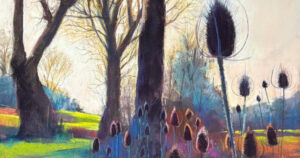
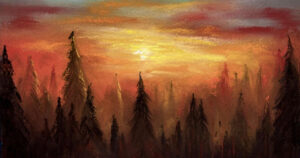
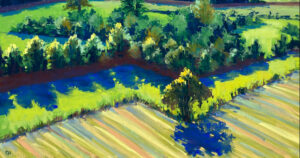
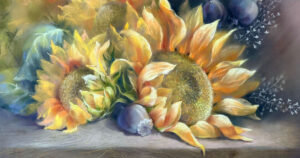
I was drawn to pastel paintings and I thought a dry medium would be good to start with. So, I researched what make of pastels some of my favourite artists used and bought a basic range and as they say, the rest is history. I found I had a hidden talent, I have to say my first year was fantastic, some of it thanks to Unison Colour. I submitted some paintings into the annual pastel society exhibition at the Mall Galleries and was thrilled and shocked to have a painting picked. If that wasn’t exciting enough, I won the Unison Colour award which meant I received two huge boxes of Unison pastels. I was beside myself with excitement. I’ll never forget opening up those boxes in a restaurant after the preview evening, I was as excited as a kid on Christmas Day- I’m sure my fellow pastel artists can identify with that feeling. I couldn’t wait to get back to my drawing board and from that moment onwards I’ve been hooked on Unison pastel’s.

I’ve taught myself how to paint or draw with pastels and the biggest lesson has been how to make different and interesting marks with the tubular sticks of colour. The key is to be brave, you have to get down and messy with them, don’t hold back, roll them, break them into shards and even reform them, by this I mean save the dust and small chips and add water to form a paste with lumps. Let It dry and you have a funny shaped but perfectly useable grey coloured pastel with flecks of other colours, perfect for stones on a beach or to give texture to tree bark. I’ve also experimented with resin on top of my pastel paintings (it’s a scary process) but it’s a nice alternative to glass occasionally, it’s not cheap but it can give you an effective finish. There’s so much more I want to try with pastels, it’s an exciting time in my life and I feel lucky to have come across art and Unison pastels.




5 comments
Cindy
Fantastic info about saving the shard! Your talent is awesome. I just moved into this medium from watercolors which I love and acrylics which hate me. But pastels are a joy!, your work is what I aspire to, but I think my experiments in styles have led me in more eclectic colors. I can’t say enough about your work
Geoff Lowe
Very Inspiring to read your blog Jennifer and excellent work. Still ranked as an amateur but I have had a few commissions so who knows 😃
David Rose
Great article Jennifer.
Please detail the resin you talk about. What means do you merge the pastels and what is your favourite surface to work on?
Nigel Smith
Ace blog Jennifer and Woh your paintings are absolutely amazing. A talent for it is an understatement.!
Jennifer Thorpe
Thanks Nigel, it’s a true passion now😀