
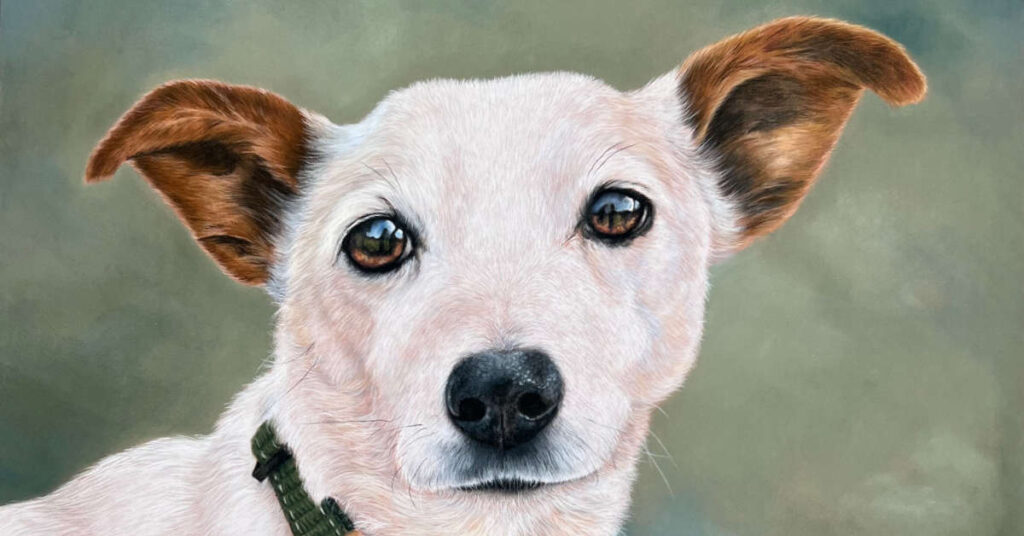
If you’re like me and the thousands of others out there, we are a nation of pet lovers. I read recently that almost one in two households in the UK has a furry, scaly or feathered friend. Pet keeping didn’t become socially acceptable in the UK until the 18th Century and they increasingly featured in paintings and illustrations as an accepted part of domestic life. Who am I to rock the boat!
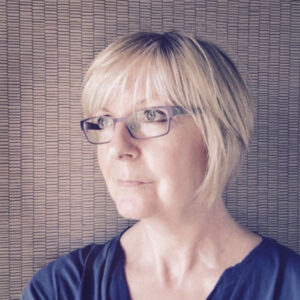
Full disclosure here, we have two dogs of our own, a black Labrador and a rescue Greek Hare Hound from Crete. Together with my husband it makes up our pack. When I started out on my artistic career it seemed an obvious step to offer pet portrait commissions so I thought I’d share a bit of my journey with you.
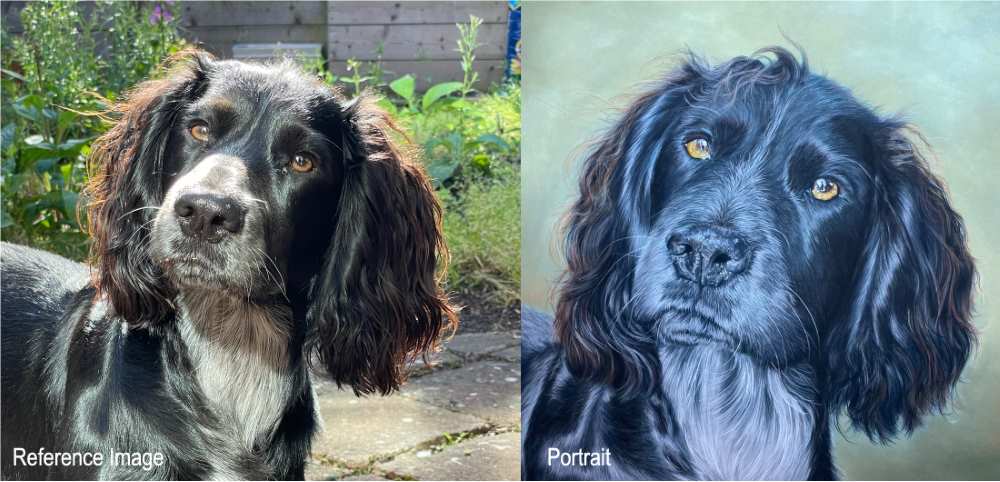
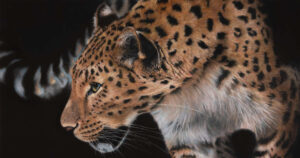
I originally attended Art College but dropped out and didn’t rediscover my love of art until the 1st Covid lockdown. Sat on the sofa, flicking through YouTube videos I came across an artist using soft pastels. I’d only ever worked in oils, or acrylic, so they immediately appealed to me as there was no drying time involved. Initially my introduction to soft pastels was through pastel pencils and pan pastels. I tentatively started experimenting with a cat portrait. At the time I was pretty pleased with it but looking back now I can see I still had a lot to learn to master soft pastel techniques.
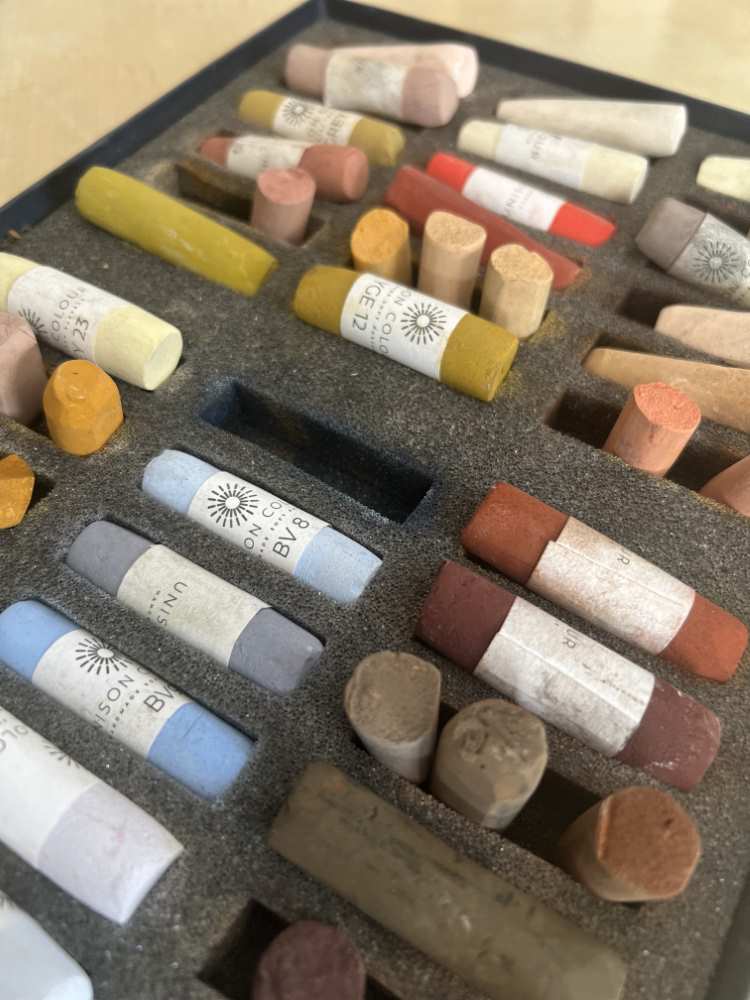
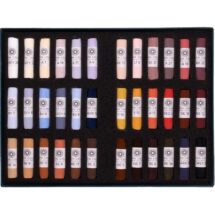
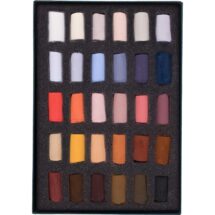
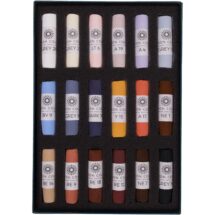
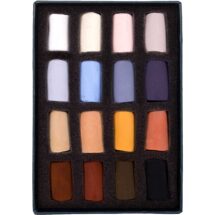
I naturally gravitate towards a photo realistic style so pastel pencils suited me. I noticed on Instagram more and more artists using Unison Colour soft pastels and curiosity got the better of me. I started my collection buying Emma Colbert Animal Set of 36 soft pastels. Initially I was a bit freaked out as I wondered how I could incorporate these pastel sticks into my work and still achieve the level of detail I love.
Like most things in life, it was a bit of trial and error. I’ll confess I took months and months before I broke a pastel stick in half – something I always encourage everyone else to do now, but the perfectionist in me found it really difficult. The pay-off however meant my technique started to improve. Instead of making things more difficult it created more freedom of mark making and resulted in better portraits.
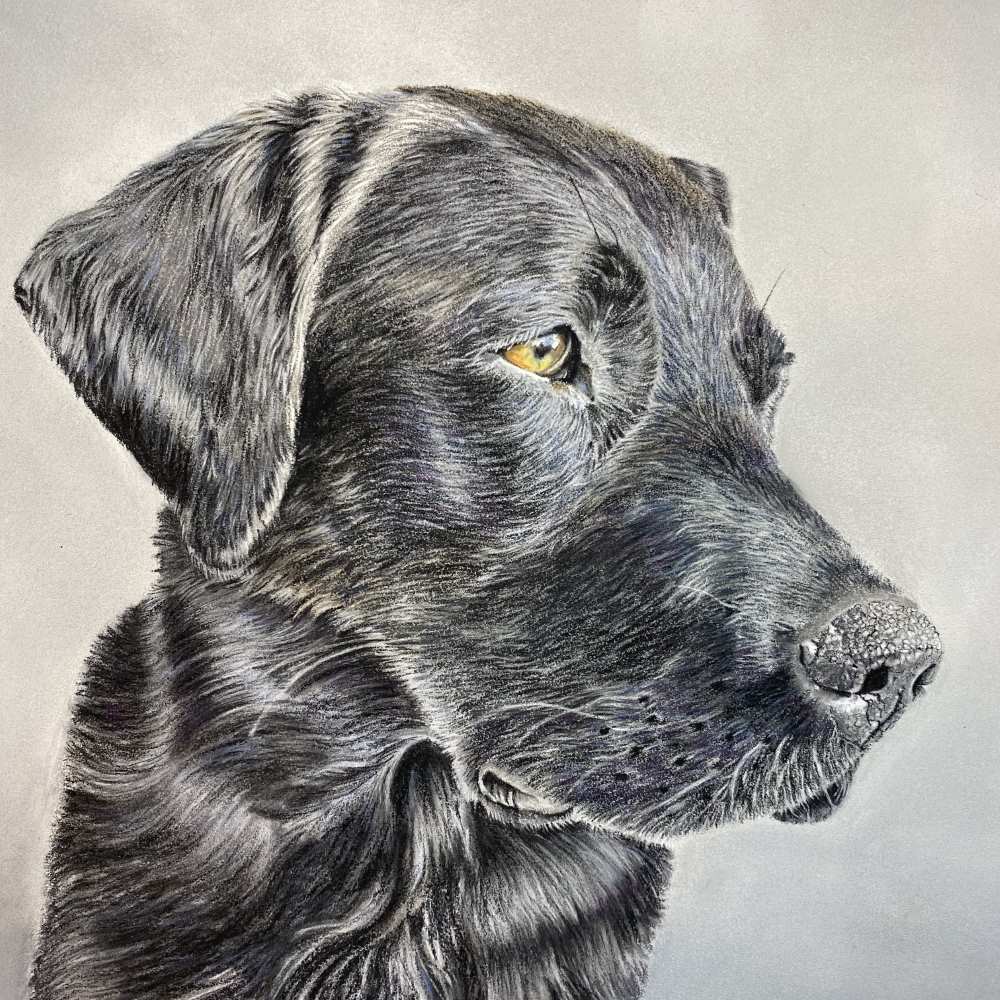
Having a black Labrador of our own meant I had a ready-made subject to study. My initial portrait of him shows my tentative attempts using pan pastels with pastel pencils (I’m also wondering why I chose this reference image as the perspective looks odd). The next triple portrait of three Labradors (called High Alert) shows the difference when I was using Unison Colour soft pastels for the under layers and background, and then adding the details with a mix of pastel pencils. Of course, there is also an element of being braver and feeling more confident in my style. In particular, not shying away from the dark shadows which act as a counterpoint to the highlights and really help bring the piece to life.
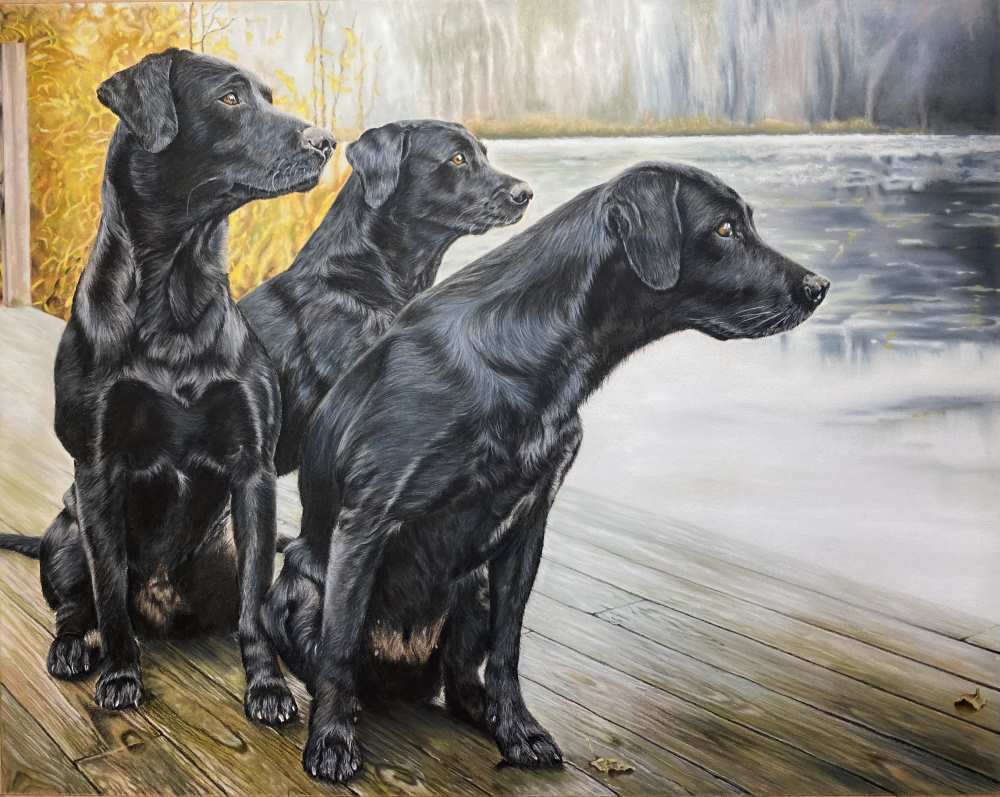
When I take on a pet portrait commission, I still get a little nervous. Someone is entrusting you to create a portrait that captures their treasured pet, be it a dog, cat or iguana (so far, no requests for the latter).
I usually ask for a range of photos (after sharing my tips to get the best reference images possible for me to work from). I also ask them to tell me about their pet’s likes and dislikes, a bit about their character and any funny habits or stories. This all helps me get a feel for their character.
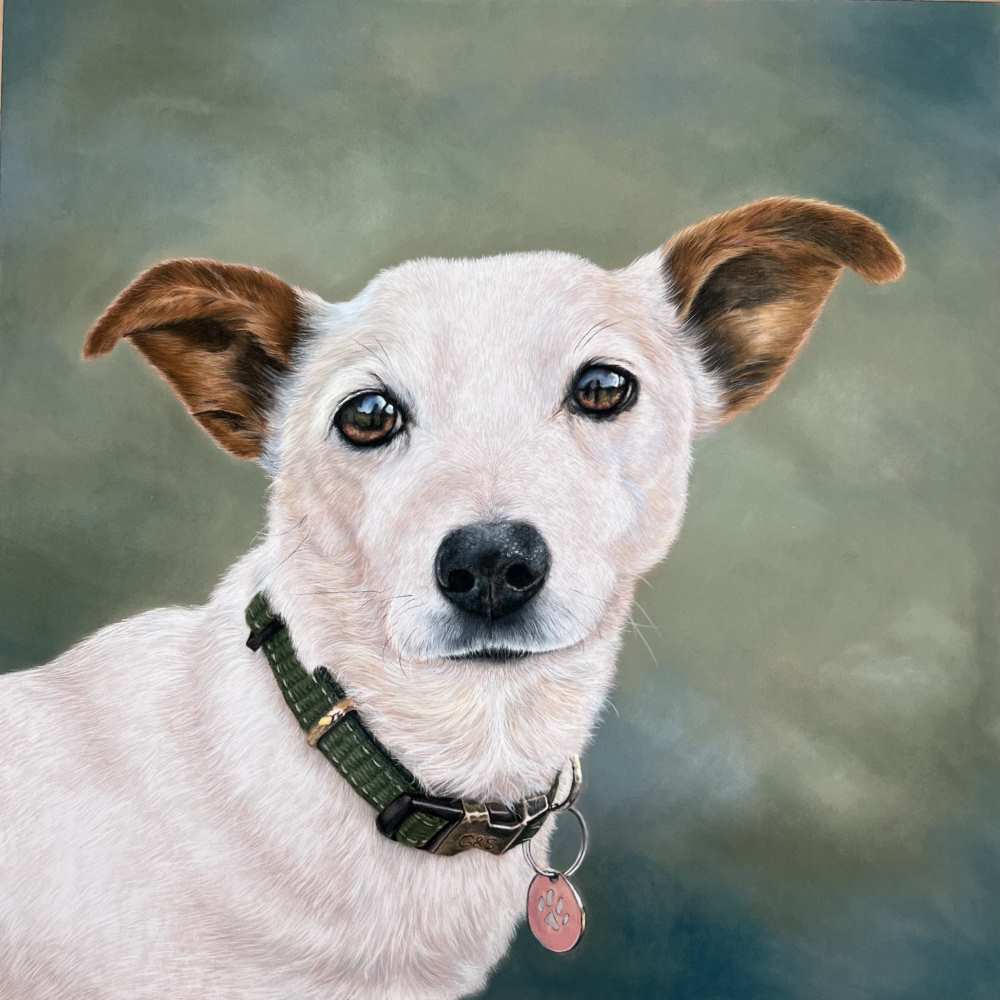
I was commissioned to create a portrait of Mabel (40 x 40cm on Pastelmat), and this is a good example of my approach. She is a lovely dog who was rescued by her current owners with her sister. Unfortunately, her sister passed away not long after being rescued and Mabel is now on her own. However, this means she is now the centre of attention and gets all the treats to herself. She’s a timid little thing who loves nothing more than a good cuddle once she feels safe with you.
The client sent a good range of reference photos, and we agreed on this one for her head portrait.
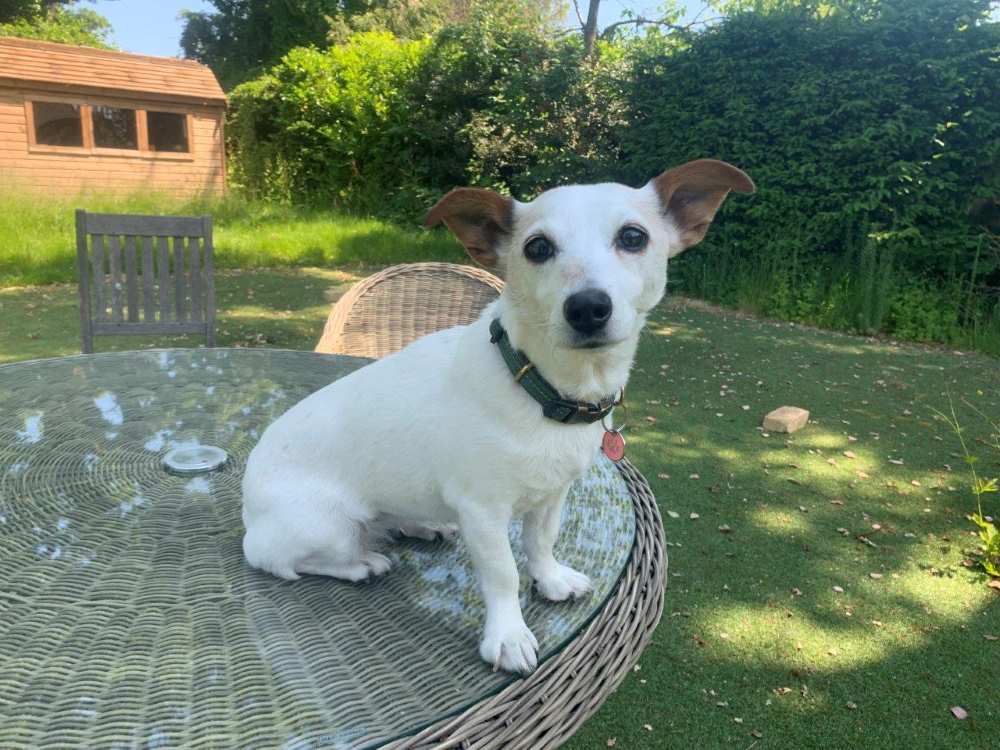
After working out the composition and doing the initial sketch, I start with the background working with my soft pastel sticks to create a boken background. I usually introduce a little bit of extra colour in the background that I pick out from the animal’s eyes – helping create a cohesive feel to the piece. In this case although the agreed background was to be a mix of greens, I used a little blue/grey which I could see in the reflections in her eyes and used this at the bottom of the portrait.
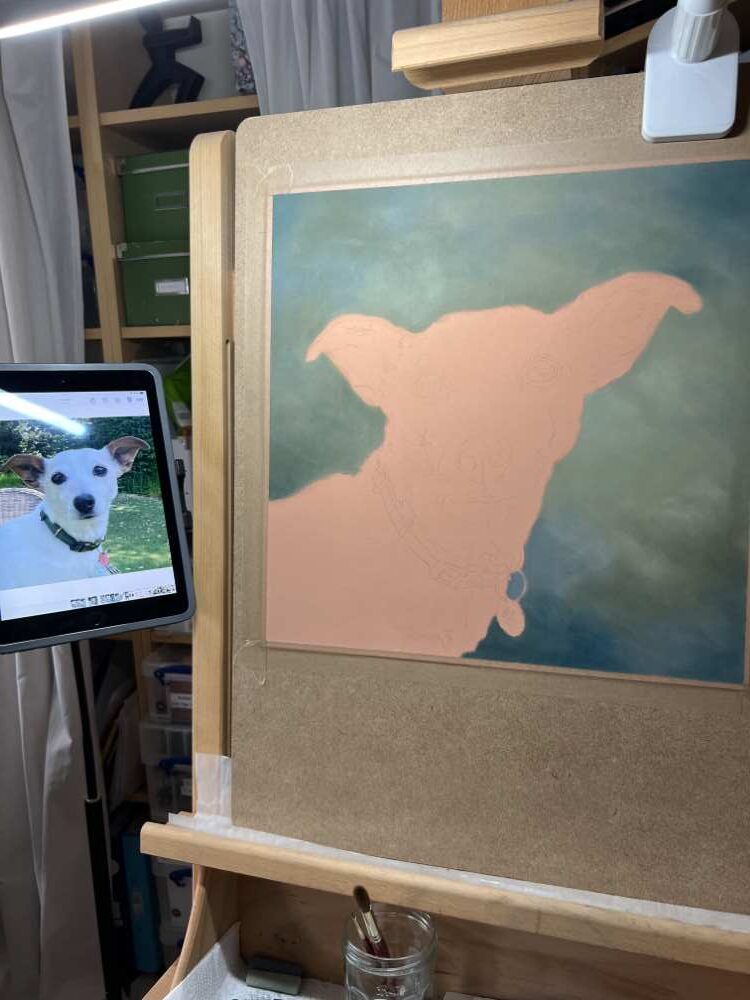
The eyes are my favourite part of any portrait and I’m always hoping to create an emotional connection with my viewer. I had a bonus with the reference photo as the owners had been caught in the reflection in her eyes, so it magically became a family portrait.
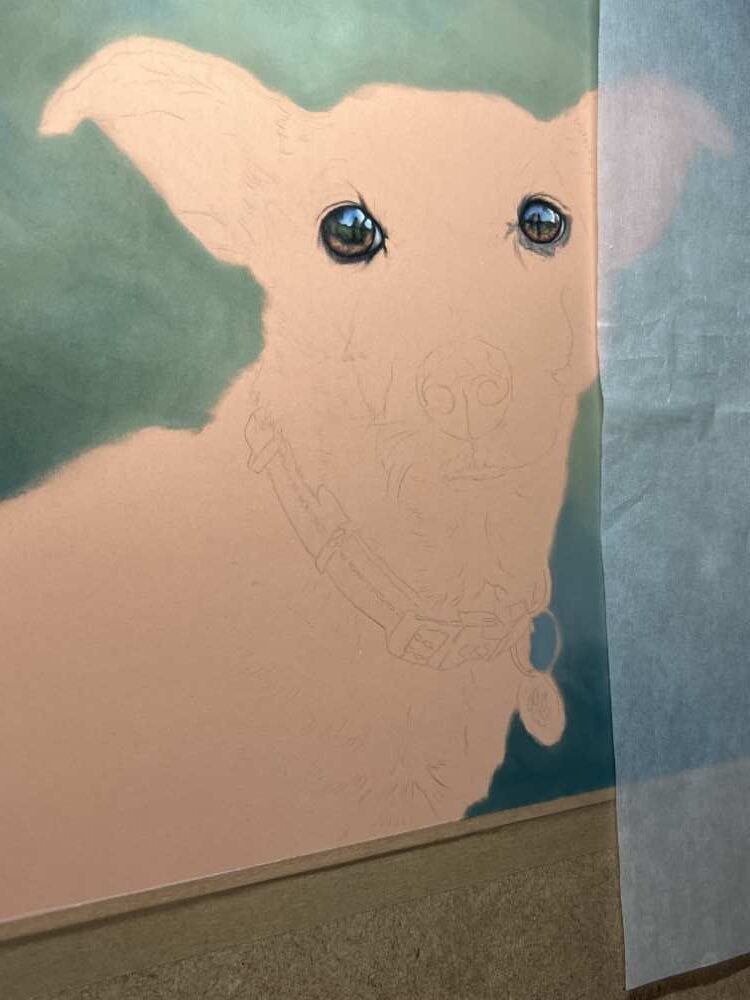
I’m pretty systematic in my approach and work left to right. I tend to work on small sections at a time and you can see this in the image below. I lay down my initial under layers with my pastels, creating the shape and capturing the initial undertones and direction of the fur. The pastel pencils then come into play, building up the fur until I’m happy I’ve captured it.
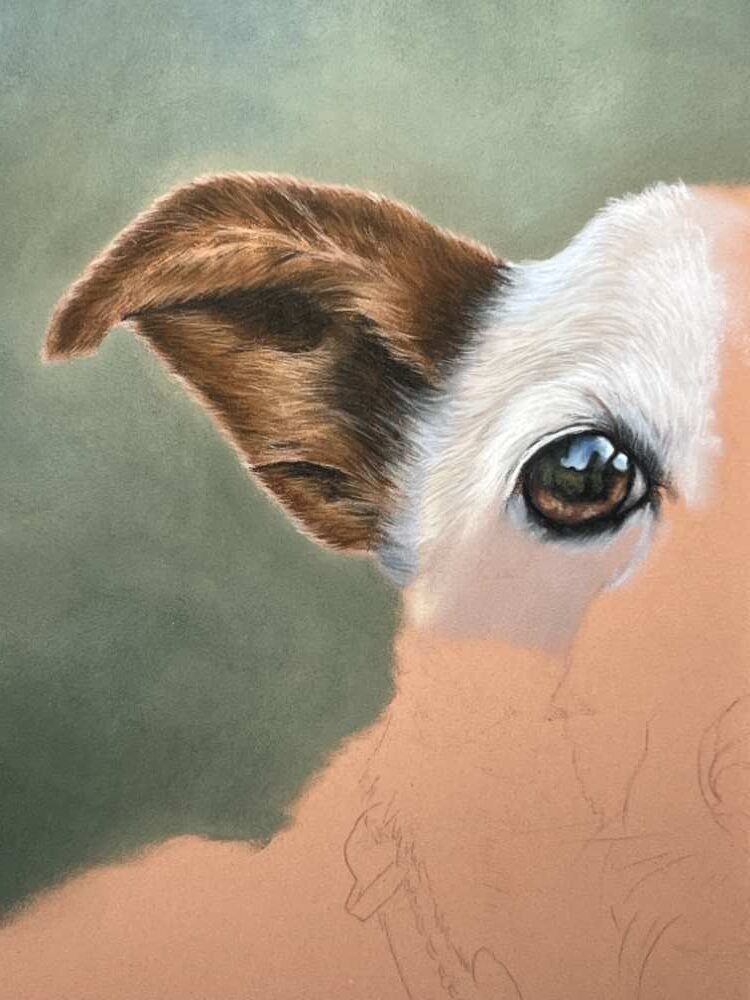
There was a time when getting a commission for a white dog used to fill me with dread. Over time I’ve learnt to pick out all the colours in their fur and the wide range of colours available in Unison Colour soft pastels are perfect for this. The additional pastels sticks, A19-21, A25-26, A40-42 etc are always really useful for picking out a range of warm and cool shades.
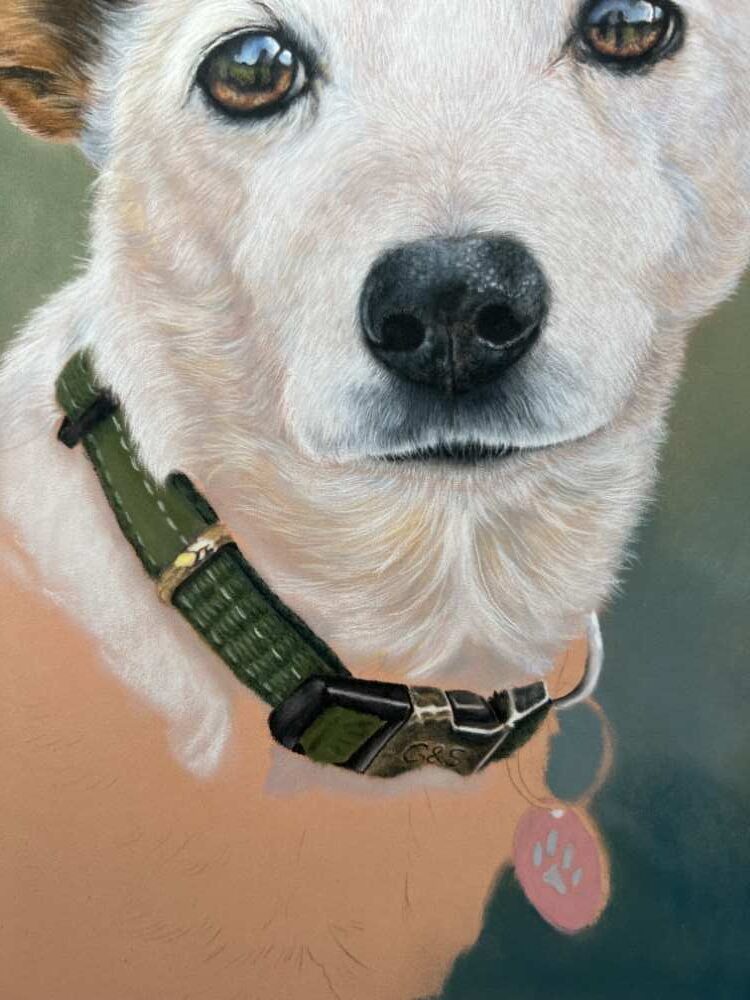
You can see in the image below how I’ve used warmer shades in the under layers on the left side of Mabel’s nose and cooler shades on the right-hand side.
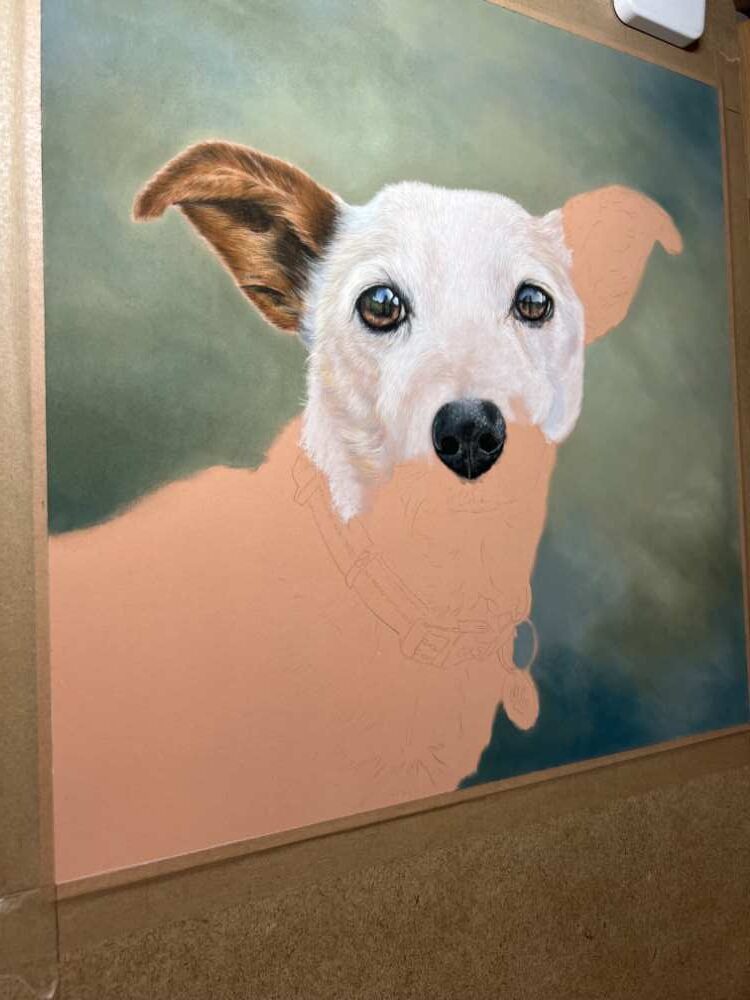
Sometimes I get distracted, and you can see I’ve jumped ahead to Mabel’s collar. I love how you can achieve so many different textures in pastels, from fabric, metal and plastic and that all important wet nose !
Lastly, it’s onto the body & neck area, using a mix of colours to create a realistic look to her fur.
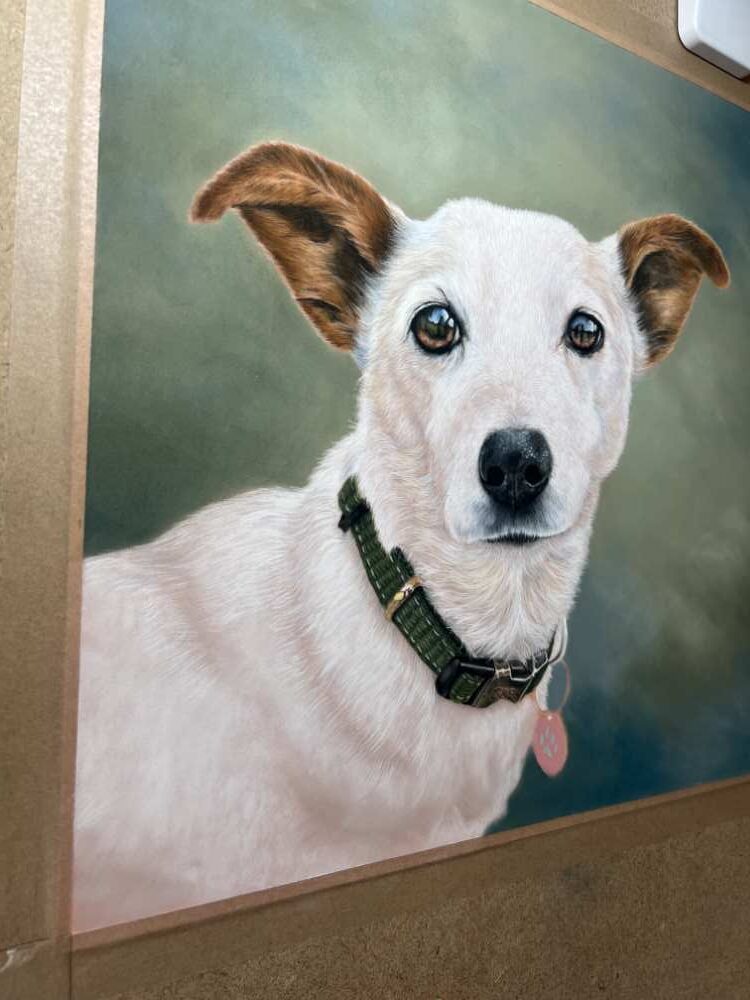
Finally, I hold my breath and add the whiskers, which on Mabel were pretty few and far between. I usually sit with the portrait for a day or two to see if there are any things I want to tweak. Mabel is a lovely little dog and is flourishing in her new home, joined now by her portrait.
Here you see a short timelapse video of Mabel’s portrait coming together…
If you get the chance to do a pet portrait commission, I’d highly recommend it. It’s so rewarding when you hand it over and get a lovely testimonial from a happy client and of course you get the chance to spend some time with their pet – albeit in pastel form.

8 comments
Наталья
Прекрасная работа! Спасибо за напоминание о учебе в академии пастели Юнисон! Было очень здорово и классно общаться и с учителями и с такими же новичками любителями как я, делать первые шаги в рисовании пастелью и карандашами. Спасибо Юнисон!
Lori O.
Fabulous being able to capture the dog’s people in the eye reflection – that’s just marvelous.
Tricia
Hi Lori, yes it was a lovely little extra touch I could include. Thanks very much, Tricia
Helen Turner
Dear Tricia, I love these!!! Wonderful to see them up close and see the detail, excellent!
Tricia
Hi Helen, thanks so much and great to hear you enjoyed seeing my work up close. Thanks, Tricia
Tricia
Hello Diana
Meant to mention you willl find the Sofft tools on most art websites and of course Amazon.
Tricia
Hello Diana
Thanks for your lovely comments. I imagine what you saw me using a Sofft tool for blending the pastels. These PanPastel Sofft Knives are a multiuse applicator for arts and crafts techniques, functioning like a cross between a brush and a palette knife. Each knife shape is based on artist’s brush shapes, and the handle is based on wooden handle knives. They are available with a variety of shaped ends and you also buy the matching shaped soft sponges that fit on the end – helping you blend the pastel. Hope this answer’s your question. Thanks, Tricia
Diana Boegel
Hello- I watched the video of you painting a pastel portrait of the dog. Wonderful! It appeared you were using a palette knife for blending but it was hard to tell. I have never used one when working in pastel but it may be worth trying so I am curious if you do. Regards,Diana