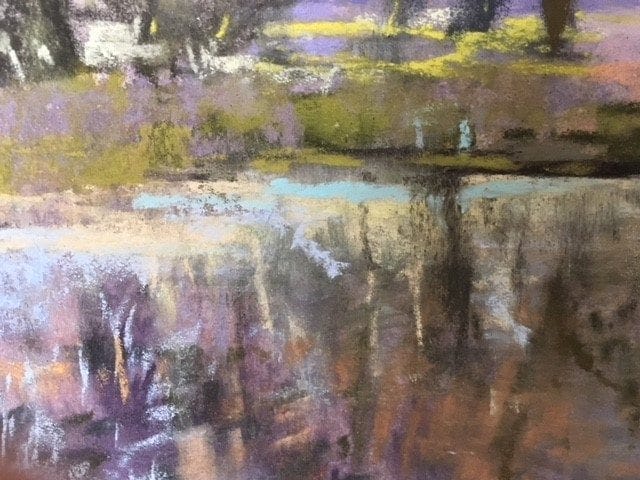
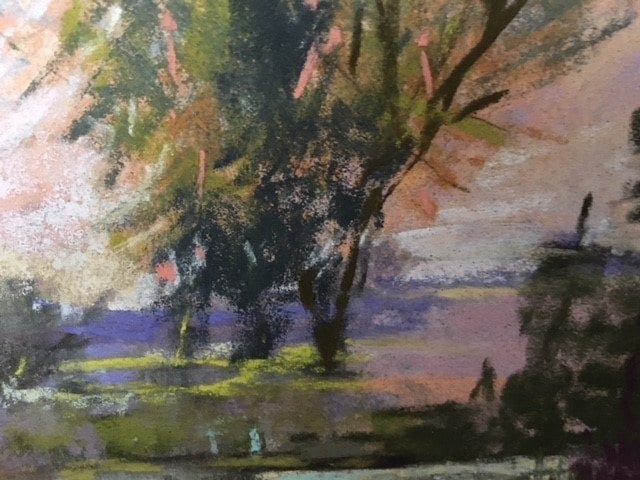
Hello again to all! Hopefully everyone is well and ready for a gorgeous spring season to paint, and what better than a set of Unison Pastels to do just that! I’m looking forward to sharing and exchanging ideas and techniques with everyone who wants to participate and share! I’d like to talk a bit about mark making in relation to the actual physical shape of the pastel we are holding, in addition to the pressure we apply to it when painting. Due to their unique shape, Unison Colour Pastels make marks all their own just due to their shape. So, instead of “BLENDING” them, sometimes I prefer for the individual colours to have a voice of their own and NOT be blended in with everything else!
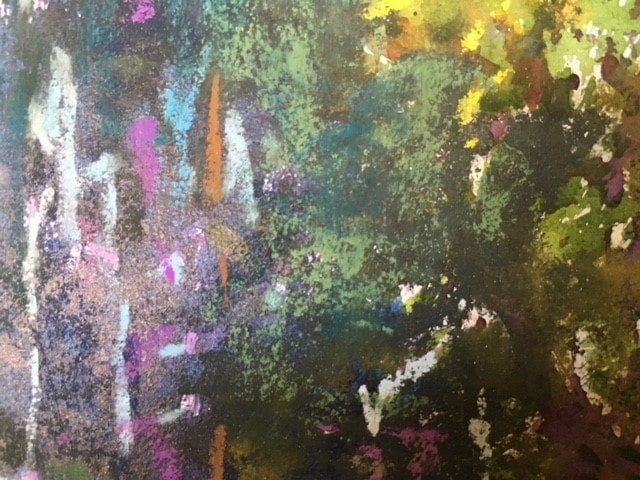
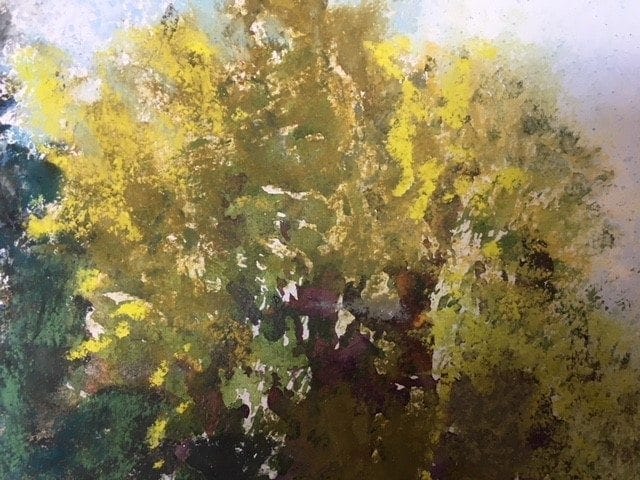
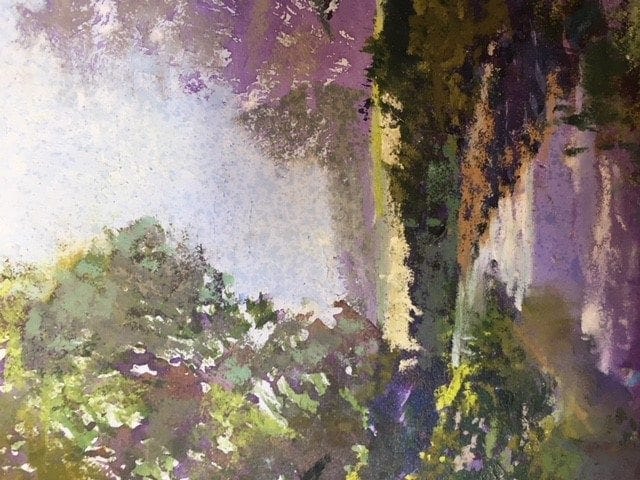
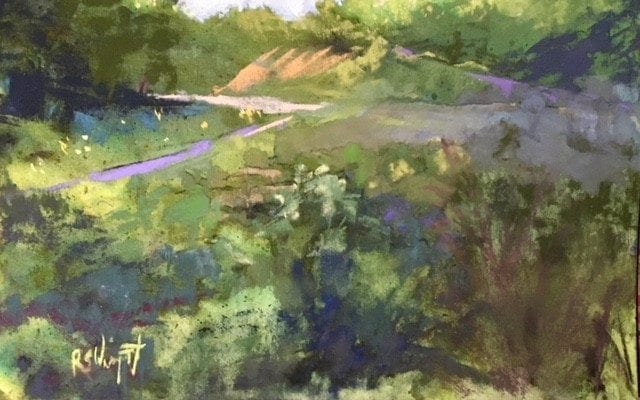
I like to make my marks with different parts of my pastel, with different amounts of pressure to achieve what I’m looking for! I’ll make my mark accordingly, leave it totally untouched, and modify it with another mark, which also is untouched! By working this way, I can build not only clean colours but great variance in texture which is very important to me in landscape painting.
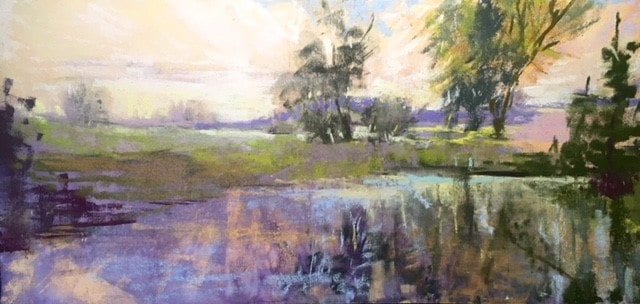
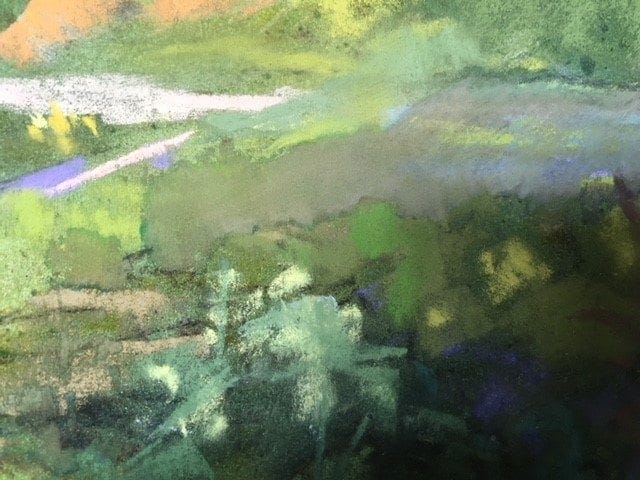
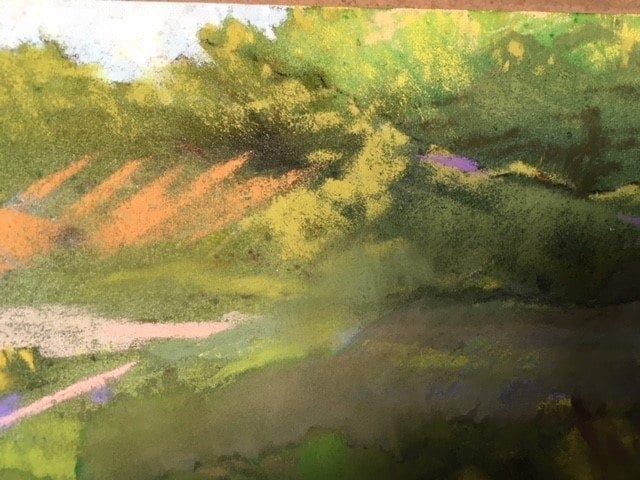
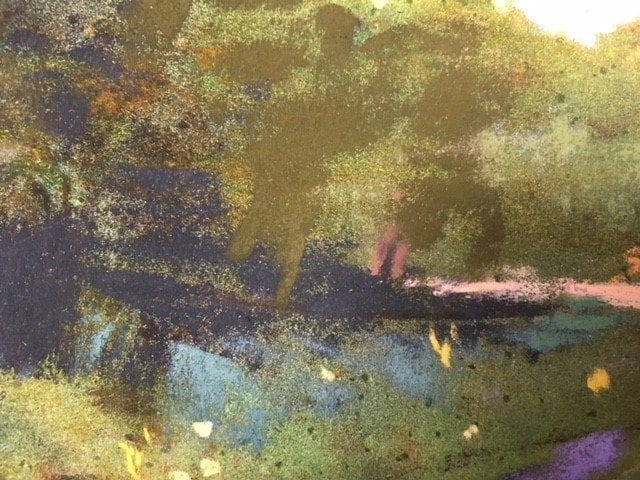
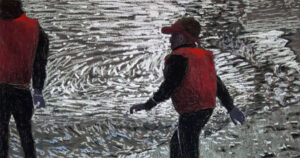
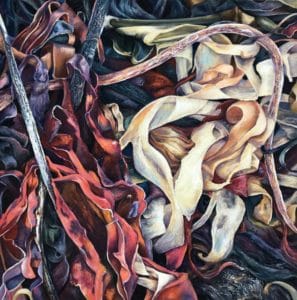
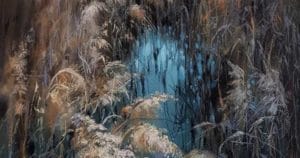
These 3 paintings are examples of marks, colour and texture, void of any rubbing, touching or BLENDING! Be experimental and twist, turn, tap, slide and bounce that pastel around a bit and see the fresh new marks you can design!