
I recently heard this question asked and it got me to thinking.
How do we define our artwork as a success?
Success can come in many forms, but really, you will determine what success means for you.
Here are some examples:
- As artists we continue to learn, every painting is a journey. So, if we achieve a goal with a particular piece we would consider that a success. Whether it’s a technique or subject that is mastered. Even if the piece is not successful in the physical sense, it may be the motivator for the next one.
- Creating a painting whether a masterpiece or not can be a healing process for some, whether you are grieving, or trying to get through a difficult time. Putting emotions into a piece of artwork can be cathartic. The emotional response you can receive from a commissioned piece of work is extremely rewarding.
- Being successful as an artist in today’s world seems to rely heavily with an online presence, gaining an audience of people that appreciate your art. So, positive responses to your artwork on your own art page and other art groups could be considered a success. Encouraging and motivating you to continue creating.
- Selling your artwork would be the benchmark of a successful painting if you are trying to make a living as an artist. If it’s popular or even a high price and is sold, even better!
- Your artwork can be inspiring to other artists, particularly emerging artists. If you can motivate and help another artist on their journey, that is a success, there is nothing more rewarding.
- Entering Competitions locally or internationally is becoming more widespread especially online. Some are juried and with a good reputation, if you are fortunate to have work juried in and/or receive an award for a painting, it’s a success. These shows often have well known artists and tutors as judges and jurors, so it’s definitely an added bonus to have their positive response to your work.
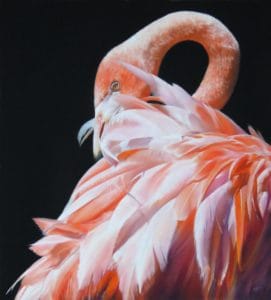
Some examples of my work that I considered a success.

My first real pastel using colour with pastel pencils. This was my daughters bear and since I love painting animals, thought I would enjoy working with that fur. I have kept this for myself and I think of this as successful for a few reasons.
- Interpreting accurate colour and likeness.
2. It was my first entry into a Pastel Exhibition/Competition and I won my first award.
3. It was the motivation to get involved with the Pastel Artists of New Zealand and gave me the confidence to continue with pastel.

This is the view from our kitchen window looking up at the back garden early in the morning. It is in our private collection and is a favourite of my husband’s. It also was the start of using my own reference images, and realizing the importance of being in control of every decision from concept to creation. This was the first pastel that I did solely with soft pastel sticks which gave me the confidence that I could create work in a looser style if I wanted.

This was the first of a successful series of works which opened my eyes to the endless possibilities of compositions when using a photograph, and that it’s possible to make a painting out of any subject. The ability to use my camera initially to capture the image and then to be able to play around with cropping and enlarging to be able to explore a composition further was enlightening and exciting. One photo can produce many different paintings.

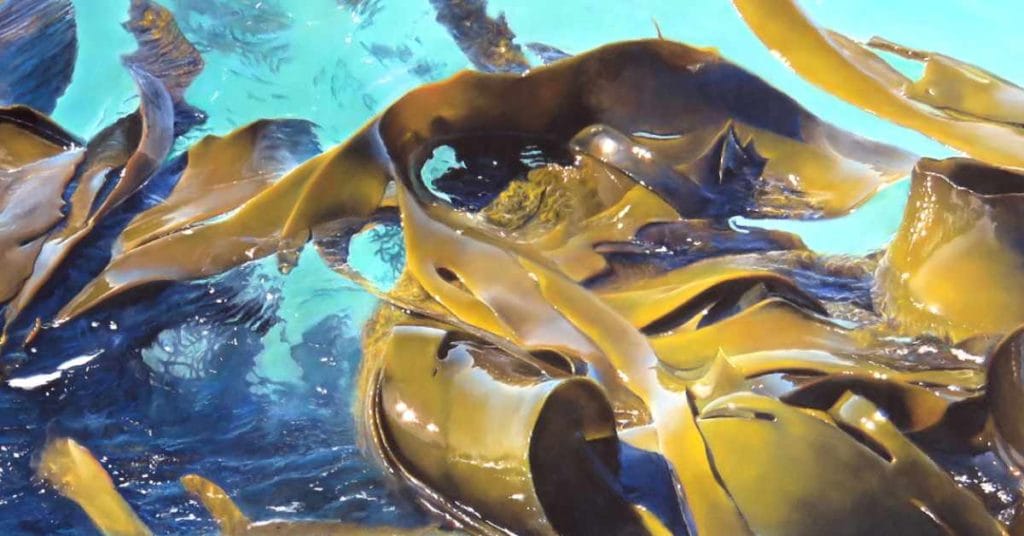
As part of my series on Kelp this was the most successful. Mostly done with soft pastels, but also using them in combination with pastel pencils, and learning the technique and realizing the possibilities for me to create work in my photorealistic style. It received the highest award in the Pastel Artists of New Zealand Annual Exhibition 2016, and went on to win more awards. It sold very quickly and was the catalyst to raising the prices on my paintings.


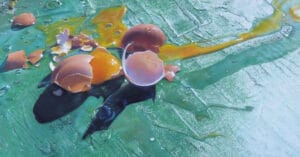
The above 2 still life paintings were successful not only because they won awards, but more importantly because of the confidence they gave me to set up my own scenarios, with a focus on composition. Most of my work is using the camera as a tool. Images are taken when I am out and about for reference. Then I play with composition, however most of the core work has already been captured. Setting up a still life was a new concept for me where I was totally in control of the creative process. From thinking of an idea through to taking lots of images, while exploring different compositions/possibilities until I am happy with the results. Having these paintings recognized was very empowering.
So just to summarize, the success of your painting can be:
- Solely our own response to a finished piece on achieving a particular goal whether it’s tackling a technique or subject.
- Creating artwork can be healing and cathartic.
- Positive responses to our work.
- Selling the artwork, having more then one buyer interested, or receiving a high price.
- Inspiring to others and motivating emerging artists on their art journey.
- Gaining entry or winning an award in a prestigious art show, especially with a well respected judge/juror.
So, any piece of our artwork can be perceived as being a success for many different reasons, some more heavily weighted than others. Continuing to create and remembering that will surely be the best motivator, there are no failures!
Mistakes are how we learn- so embrace them.
HAVE FUN !!

8 comments
Helen Wilberforce
Wonderful paintings and interesting insight into your own journey. Thoughtful and encouraging overview of ‘success’ in painting. Thanks for your blog.
Michael Freeman
Great blog darling – very proud of you x
Diane Lawson
Very thoughtful and informative blog Julie. Thankyou for sharing a bit of your art jouney, so inspiring to me in my beginners world!
Zoe Alford
Wise words Julie, and so encouraging. Your successes have been thoroughly deserved.
Michele Cauchon
Very lovely artwork. I appreciate very much what you are saying. I entered many contest but never one anything. Thank you for the blog
Helen Turner
Julie,
I thoroughly enjoyed your blog and the factors of success. I ask myself this question frequently, and you have given excellent additional reasons that make a work successful.
Really love your images!
Helen
Белянская Наталья
Прекрасные работы Джули! Морская капуста, ламинария сразу напомнила мне моё детство, проведённое на море, изображение такое реалистичное, что запахло морем! Никогда бы не подумала рисовать такой казалось бы прозаичный предмет, но мастерство художника просто зашкаливает! Пейзажи тоже классные! Некоторые опытные художники призывают не рисовать натюрморт, но Джули опровергает их доводы своим чувством равновесия и гармонии. Превосходный художник!
Eve Miller
Excellent blog and exquisite work – thoughtful read